

The Mohawk Valley region of New York is poised for significant environmental transformation. Over recent years, federal and state policies, growing demand for clean energy, and strategic local planning have converged to position the Mohawk Valley as a compelling hub for renewable energy investment. From solar and wind projects to hydroelectric upgrades and emerging green hydrogen initiatives, the region’s renewable landscape is evolving rapidly.
This article explores the current state of renewable energy investment in the Mohawk Valley, the economic and environmental benefits these projects bring, key drivers shaping the market, challenges that lie ahead, and what stakeholders should expect as investment continues to increase.
A Strategic Location for Clean Energy Growth
The Mohawk Valley, encompassing counties like Herkimer, Oneida, Montgomery, and Utica, combines geographical assets, infrastructure, and community support that make it attractive for renewable investment.
Proximity to Energy Infrastructure
The region benefits from existing transmission lines, substations, and grid interconnections, which are critical for integrating renewable energy output efficiently. Access to these assets reduces one of the biggest hurdles for clean energy projects: the cost and complexity of connecting to the grid.
Strong Wind and Solar Resources
While the Northeast is not traditionally viewed as the sunniest or windiest region in the U.S., the Mohawk Valley’s microclimates and open land areas provide strong potential for both solar photovoltaic (PV) and wind generation. Solar installation capacity has increased steadily as panel prices drop and efficiency improves, while emerging wind capacity, especially in higher-elevation areas, underscores the region’s potential to diversify its energy mix.
Supportive Policy Environment
New York State has been a leader in clean energy policy, setting ambitious goals through initiatives like the Climate Leadership and Community Protection Act (CLCPA), which mandates a transition to 70% renewable electricity by 2030 and a carbon-neutral grid by 2040. These targets, along with incentives such as tax credits and power purchase agreements (PPAs), create a favorable investment climate.
Types of Renewable Energy Investments in the Region
Solar Energy Projects
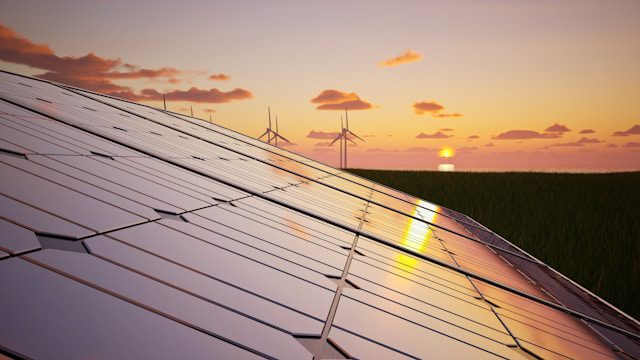
Solar energy has become one of the most visible forms of renewable investment in the Mohawk Valley. Large-scale solar farms are taking root on former industrial lands, agricultural fields, and brownfield sites, often with community-based involvement. These projects generate electricity for regional consumption and contribute to New York’s renewable portfolio standards.
Solar development brings local jobs in construction, operation, and maintenance, often benefiting small businesses and workforce training partners in rural communities.
Wind Energy Development
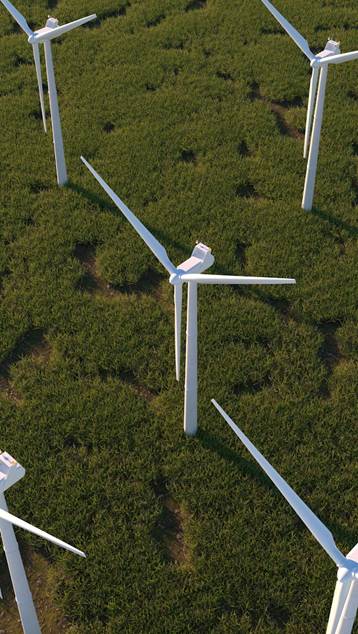
Wind power in the region is gaining traction, especially in areas with stronger average wind speeds. While wind turbines require larger capital investment and meticulous siting analysis, they offer high capacity factors once operational. Both utility-scale wind and community wind projects are under discussion, and the potential for repowering older installations exists as technology advances.
Hydroelectric and Existing Asset Upgrades
Hydroelectric power has a long history in the Mohawk Valley, with several operating facilities along the Mohawk River and its tributaries. Investment in modernization, including turbine upgrades, fish-friendly technology, and grid integration improvements, is making clean energy more efficient without constructing new infrastructure.
Retrofitting existing hydro assets offers a low-impact path to increased renewable output while preserving local ecosystems.
Green Hydrogen and Energy Storage
Beyond generation, the Mohawk Valley is exploring innovative energy solutions. Energy storage, particularly battery storage co-located with solar and wind sites, addresses intermittency issues and enhances grid reliability. Additionally, green hydrogen initiatives, which use renewable electricity to produce hydrogen via electrolysis, are gaining interest as a potential exportable energy carrier for transportation and industrial use.
These technologies represent the next frontier of renewable investment and could position the Mohawk Valley as a node in emerging clean energy supply chains.
Economic Impacts and Job Creation
Renewable energy investment drives substantial economic uplift. Construction of solar or wind installations requires labor, logistics, and local services, generating a near-term boost in employment. Once operational, renewable facilities also provide long-term jobs in:
- Operations and maintenance
- Engineering and project management
- Environmental compliance
- Energy trading and analytics
- Manufacturing and supply chain roles
Local educational institutions have begun tailoring workforce programs to align with these opportunities, helping residents acquire skills in renewable installation, electrical systems, and energy technology.
From property tax revenue to local supplier engagement, renewable projects can catalyze economic diversification in regions historically reliant on manufacturing and traditional energy sources.
Community Benefits
Renewable energy development in the Mohawk Valley is not only an economic story, it is a community story.
Lower Energy Costs
Increased renewable generation can stabilize and eventually lower electricity costs for utilities and customers, because solar and wind have near-zero fuel costs compared to fossil fuel plants.
Health and Environmental Benefits
Reducing fossil fuel dependence leads to better air quality, a reduction in greenhouse gas emissions, and a healthier environment for local populations. These benefits are particularly valuable for communities facing historical pollution burdens.
Challenges to Investment and Deployment
While momentum is strong, renewable energy investment in the Mohawk Valley faces several challenges.
Transmission Constraints
Despite existing infrastructure, capacity limits on transmission lines can delay project interconnections or require costly upgrades.
Permitting and Community Acceptance
Local regulations and permitting processes vary by municipality, which can slow deployment timelines. Community perception also plays a role, not all residents readily embrace new renewable infrastructure due to aesthetic or land use concerns.
Financing and Market Risks
Securing capital for large infrastructure projects demands stable revenue models and credible power purchase commitments. Fluctuations in energy markets and policy uncertainty can create investor hesitation.
Skilled Workforce Availability
Although workforce development is advancing, demand for skilled labor sometimes exceeds supply. Ensuring training programs keep pace with industry needs is essential to fulfill job potential.
Policy Drivers Reinforcing Investment Momentum
New York’s Climate Leadership and Community Protection Act (CLCPA)
The CLCPA sets some of the most ambitious clean energy targets in the U.S., mandating:
- 70% renewable electricity by 2030
- 100% zero-emission electricity by 2040
- Carbon neutrality economy-wide
These targets signal a long-term market for renewables and send clear investment signals to developers and utilities.
Federal Incentives
Federal tax credits such as the Investment Tax Credit (ITC) and Production Tax Credit (PTC) significantly improve project economics for solar and wind developers. Additionally, federal infrastructure spending increases funding opportunities for grid upgrades and clean energy innovation.
Current Renewable Projects
Solar Farms on Reclaimed Lands
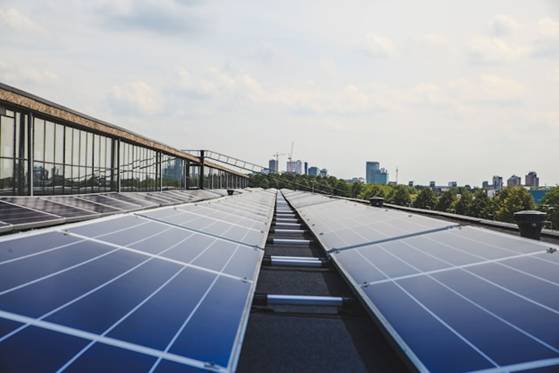
Several large solar installations have been developed on previously underutilized or contaminated lands. These projects not only contribute renewable power but also repurpose areas that might otherwise remain dormant.
Hydroelectric Upgrades
Existing hydroelectric plants in the region have undergone modernization efforts, incorporating advanced turbines, fish-friendly technologies, and remote monitoring systems that improve efficiency and reduce environmental impact.
Battery Storage Integration
Pairing utility-scale battery storage with solar farms has addressed intermittency challenges and demonstrated the feasibility of storing excess generation for peak usage hours, which enhances grid flexibility.
These projects reflect the region’s progression from initial pilot initiatives to strategically planned, multi-technology renewable portfolios.
Opportunities for Local Stakeholders
Investors
Investors with interest in clean energy are watching the Mohawk Valley because of its favorable policies and growing asset base. Private equity, infrastructure funds, and green investment vehicles all consider renewable projects as long-term, stable returns.
Local Governments
Municipalities can attract investment by streamlining permitting, creating incentive packages, and developing local renewable targets that align with state objectives.
Educational Institutions
Colleges and technical schools can serve as workforce incubators by expanding programs in renewable installation, grid technology, and environmental engineering.
Utility Partners
Electric utilities operating in the Mohawk Valley, such as NYSEG (New York State Electric & Gas) and National Grid, play critical roles in integrating renewable capacity, planning grid upgrades, and managing dispatchable resources.
The Future Outlook
As the energy transition accelerates, the Mohawk Valley stands at the crossroads of innovation and opportunity. Renewable energy investment in the region will likely continue to grow, driven by:
- State and federal policy support
- Lower technology costs
- Enhanced grid infrastructure
- Workforce development
- Corporate clean energy demand
The years ahead could see the Mohawk Valley become a national example of how mid-sized regions leverage renewable energy for economic resurgence, community benefit, and sustainability leadership.
A Region Powering Toward a Clean Future
Renewable energy investment in the Mohawk Valley is an economic strategy, a community development engine, and a blueprint for regional transformation. The combination of supportive policy frameworks, natural resources, skilled labor, and growing investor interest positions the region for continued momentum in solar, wind, hydroelectric, and emerging technologies like energy storage and green hydrogen.
For residents, developers, and investors alike, the Mohawk Valley represents a compelling chapter in the nationwide shift toward clean, resilient energy systems. With thoughtful planning, community engagement, and strategic investment, this region is not just generating power — it is generating opportunity.
