

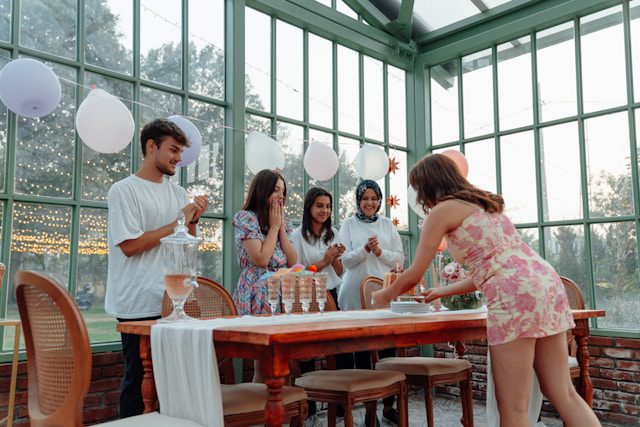
Indoor events such as birthday parties are becoming an increasingly common choice for families across the Finger Lakes region, reflecting a broader shift in how parents approach children’s celebrations. In communities such as Canandaigua, Geneva, Victor, and Farmington, unpredictable weather patterns and busy family schedules are reshaping expectations around what makes a successful birthday event.
Rather than relying on parks, backyards, or seasonal outdoor venues, many parents are turning to indoor facilities that offer structured activities, weather independence, and simplified planning. The trend highlights both practical considerations and evolving preferences in children’s recreation and social experiences.
Weather Uncertainty Is Reshaping Party Planning
One of the strongest factors influencing the shift indoors is the region’s unpredictable weather. The Finger Lakes experiences long winters, wet springs, and variable weekend conditions that can quickly disrupt outdoor plans. For parents planning birthday celebrations weeks in advance, this uncertainty introduces a consistent risk of cancellations or last-minute changes.
Outdoor venues also bring logistical challenges tied directly to weather conditions. Cold temperatures, muddy fields, rain, or extreme heat can significantly reduce the quality of an event or force it indoors at short notice. As a result, families are increasingly prioritizing venues that eliminate weather-related uncertainty altogether.
Indoor birthday party spaces offer a controlled environment where events can proceed as scheduled regardless of external conditions. This reliability has become a key factor in decision-making for many parents managing tight schedules and limited flexibility.
Growth of Activity-Based Indoor Venues
Alongside weather concerns, the Finger Lakes region has seen growing interest in indoor venues that focus on active, experience-driven entertainment. Facilities such as Practice Time Sports in Canandaigua offer structured but flexible environments where children can engage in sports and group play.
These venues differ from traditional party rooms or entertainment centers that rely heavily on passive activities. Instead, they emphasize movement, interaction, and participation, allowing children to shape parts of the experience through games and informal play.
Chris Harris, owner of Practice Time Sports, described the importance of creating a space where families feel comfortable returning and where children feel encouraged to participate fully in the experience. His perspective reflects a broader industry trend toward local, community-oriented recreational spaces that prioritize accessibility and familiarity.
Convenience and Flexibility as Driving Forces
For many families, convenience is becoming just as important as entertainment value. Indoor venues reduce the logistical burden on parents by eliminating many of the responsibilities associated with traditional parties.
Tasks such as setting up outdoor spaces, monitoring weather conditions, coordinating cleanup, and adjusting plans due to environmental changes are significantly reduced or removed entirely. This allows parents to focus more on the celebration itself rather than managing logistics.
Flexibility is also a central feature of many indoor party models. Facilities often provide a combination of structured activities and open play, giving children the freedom to engage in games at their own pace. Some of the most memorable moments occur when children are given space to lead their own activities, shaping games and interactions organically.
This balance between structure and freedom has helped indoor venues appeal to a wide range of age groups and personalities, particularly in settings where children may have varying interests and energy levels.
A Shift Toward Experience-Based Celebrations
The growing popularity of indoor birthday parties also reflects a broader cultural shift in how families approach children’s entertainment. Rather than focusing primarily on food, decorations, or static gatherings, many parents are now prioritizing experiences that encourage interaction and engagement.
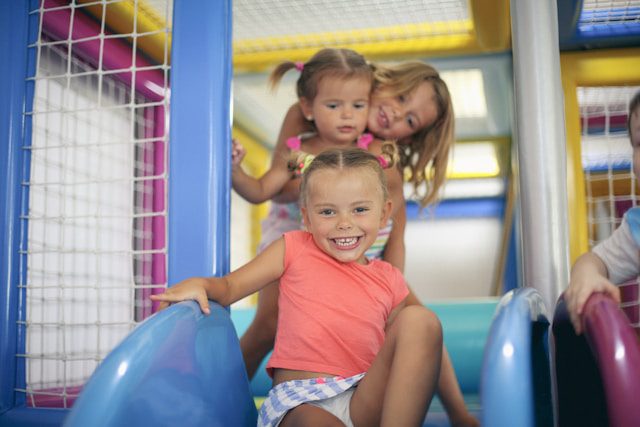
In activity-based venues, birthday celebrations are often designed around shared participation. Children spend much of the event moving, playing, and interacting with peers rather than sitting in a single location. This aligns with increasing awareness among parents of the value of physical activity and social engagement during early development.
At the same time, this approach can reduce reliance on screen-based entertainment, which has become more common in traditional party settings. Parents are increasingly seeking environments where children remain actively engaged throughout the duration of the event.
Community Connections and Youth Engagement
Some facilities incorporate older student-athletes into events and programming, creating opportunities for younger children to interact with role models in a structured but informal setting.
These interactions can have a meaningful impact on younger participants. Children often look up to teenage athletes, and these relationships can encourage confidence, participation, and enthusiasm for trying new activities.
This mentorship dynamic contributes to a community-centered atmosphere that differs from larger commercial entertainment venues. Instead of purely transactional experiences, indoor sports-based party facilities often emphasize connection, familiarity, and ongoing engagement with local families.
The Role of Local Facilities in Expanding Indoor Recreation
The rise of indoor birthday parties is also tied to the broader expansion of indoor recreation infrastructure across the Finger Lakes region. As sports training facilities, activity centers, and multi-use indoor spaces continue to grow, birthday parties have become a natural extension of their services.
These venues often operate year-round, making them particularly well-suited to regions with significant seasonal variation. Their adaptability allows them to serve multiple purposes, from youth sports training to community events and private celebrations.
This diversification reflects how local recreational spaces are evolving to meet changing community needs. Rather than functioning solely as athletic facilities or entertainment centers, many now serve as hybrid community hubs.
