

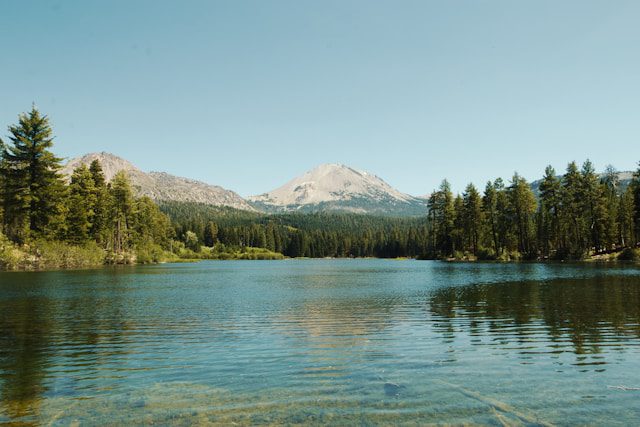
Lake Lila remains one of the most secluded and least developed lake destinations in New York’s Adirondack Park. Enclosed within the William C. Whitney Wilderness, the lake spans roughly 1,500 acres and is defined as much by what is absent as by what is present: no motorboats, no roadside development, and no direct conveniences for visitors who arrive.
Despite being located in New York State, Lake Lila sits geographically closer to Ottawa, Canada than to New York City. The nearest access point is the small town of Long Lake, though even from there the journey requires extended travel along remote roads and a final approach that discourages casual visitation. The lake’s isolation has helped preserve its quiet character, making it a destination primarily for paddlers, campers, and hikers willing to carry their own gear deep into wilderness terrain.
A Journey Defined by Distance and Difficulty
Reaching Lake Lila is not a straightforward drive. Visitors first travel along regional roads before turning onto County Route 10, where the route transitions into a long, unpaved dirt road leading toward the parking area. Conditions are slow and uneven, and drivers are advised to proceed cautiously due to the rough surface and limited infrastructure.
Once vehicles reach the designated parking lot, the journey is still not complete. Access to the lake itself requires roughly a one-third-mile hike on foot while carrying all essential equipment, including canoes and camping supplies. Motorized watercraft are not permitted, reinforcing the lake’s protected status and limiting the type of recreation available.
Cell service is unreliable or completely absent throughout much of the area. For some visitors, this lack of connectivity is an inconvenience; for others, it is central to the appeal. The experience is intentionally detached from everyday communication networks, reinforcing the sense of isolation that defines the region.
A Motor-Free Lake With Strictly Limited Development
Lake Lila is notable within the Adirondack Park system for its strict restrictions on motorized access. The absence of motorboats preserves water clarity, reduces noise pollution, and maintains a slower pace of activity across the lake’s surface.
Camping is permitted, but only under tightly controlled conditions. There are 24 designated campsites distributed along the shoreline and on several small islands within the lake. These sites are designed exclusively for tent camping, and visitors must carry all equipment on foot or by canoe.
Because everything must be transported manually, many campers opt for lightweight gear, with some choosing hammock setups instead of traditional sleeping systems. The lack of electricity, running water, or other amenities reinforces the primitive nature of the experience. Visitors are essentially operating in a self-sufficient environment where preparation determines comfort.
First-Come, First-Served Camping and Limited Capacity
Unlike many popular parks and campgrounds, Lake Lila does not offer advance reservations. Campsites are allocated on a first-come, first-served basis, which introduces both flexibility and uncertainty.
During busy periods, especially in favorable weather conditions, all 24 sites may be occupied. This can present challenges for late arrivals, who must either adjust their plans or seek alternative camping areas outside the lake’s immediate shoreline. Island campsites tend to be especially sought after due to their isolation and scenic views.
However, the lake’s remote location reduces the likelihood of overcrowding compared to more accessible destinations. Many visitors report encountering only a small number of other campers at any given time, preserving the sense of solitude that defines the area.
Experienced travelers often assess campsite availability from a distance using binoculars before committing to a long paddle or hike to a specific island, minimizing unnecessary effort when sites are already occupied.
Wildlife, Water, and Seasonal Atmosphere
Lake Lila’s ecological setting contributes significantly to its appeal. The surrounding wilderness supports a range of bird species, making it an attractive destination for birdwatching enthusiasts. Ospreys and loons are among the most commonly observed species, while smaller forest birds such as warblers contribute to the acoustic environment during warmer months.
The lake’s still surface and limited boat traffic create favorable conditions for canoeing. Water travel is one of the primary ways to explore the area, allowing access to small islands and remote shoreline segments that are otherwise inaccessible on foot.
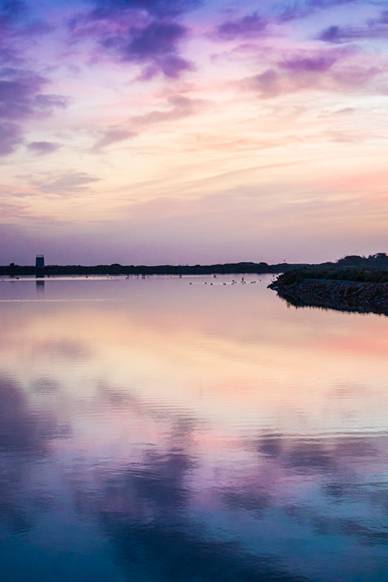
The visual character of Lake Lila changes dramatically throughout the day. Sunrise and sunset are often described as particularly striking, with light reflecting across calm water surfaces and wildlife activity increasing near the shoreline. Nighttime conditions offer another dimension entirely. With minimal artificial light in the surrounding wilderness, the area provides unusually clear views of the night sky, an increasingly rare feature in many populated regions.
Connectivity Through Waterways and Nearby Lakes
Lake Lila is also connected to a broader network of waterways, including Shingle Shanty Brook, which allows canoe travel beyond the immediate lake area. In favorable conditions, paddlers can extend their journeys into surrounding bodies of water, including routes that connect to Little Tupper Lake.
These interconnected waterways create opportunities for longer expeditions, but they also require advanced planning and navigation skills. Water levels, weather conditions, and distance all play a role in determining whether extended routes are feasible on any given day.
Hiking Access and Elevated Views from Frederica Mountain
For those who prefer land-based exploration, a hiking trail from the parking area leads toward Frederica Mountain. The route typically takes around three and a half hours to complete and varies in terrain, beginning with a gravel logging road before transitioning into a more traditional forest trail.
As hikers ascend, the environment becomes increasingly elevated and open. The summit provides expansive views of the surrounding wilderness, including Lake Lila itself and the broader Adirondack landscape. This vantage point helps contextualize the scale of the protected wilderness area and highlights the isolation of the lake within it.
The trail is moderately challenging due to its length and uneven terrain, but it remains one of the most accessible ways to view the region from above without requiring advanced mountaineering experience.
Preservation, Access Trade-Offs, and Visitor Experience
Lake Lila represents a deliberate balance between public access and environmental preservation. The restrictions on motorized vehicles, limited campsite availability, and difficult access routes all contribute to maintaining the lake’s undeveloped condition.
This approach comes with trade-offs. Visitors must be prepared for physical effort, limited amenities, and uncertainty regarding campsite availability. At the same time, these restrictions are precisely what preserve the lake’s defining characteristics: quiet water, low traffic, and a sense of remoteness that is increasingly uncommon in many recreational areas.
Unlike heavily developed parks where infrastructure shapes the visitor experience, Lake Lila places responsibility on individuals to plan, carry, and adapt. The result is a more self-contained form of outdoor recreation that appeals to those seeking solitude and direct engagement with the natural environment.
Information Gaps and Practical Limitations
Because the area is remote and experiences limited connectivity, real-time updates on conditions such as trail maintenance or campsite occupancy may be difficult to obtain in advance. Visitors must typically rely on general preparation rather than real-time information, which adds an element of uncertainty to trip planning.
These limitations underscore an important aspect of Lake Lila: it is not a highly managed recreational destination, but rather a wilderness area where conditions can change with weather, season, and usage patterns.
Where Access Ends and Wilderness Begins
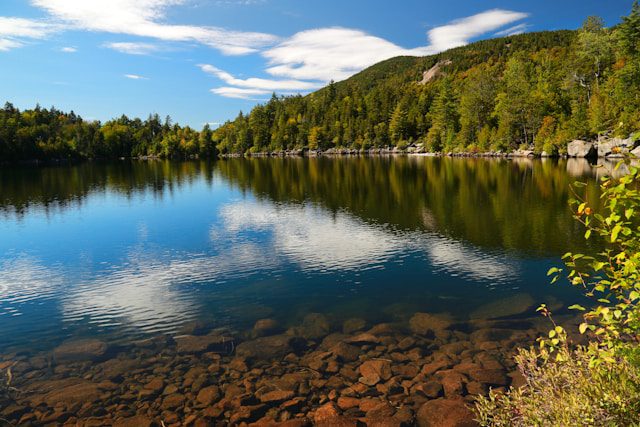
Lake Lila stands apart from many other recreational destinations in New York not because it offers more amenities, but because it offers far fewer. Its remote location, strict motor-free designation, and limited infrastructure collectively shape an experience that is intentionally slow, physically engaging, and deeply tied to the natural environment. Visitors who make the effort to reach it are rewarded not with convenience, but with a landscape that has remained largely unchanged by modern development.
What defines the lake most clearly is the balance between access and restraint. The journey itself, long dirt roads, limited signage, and a final hike carrying essential gear, filters out casual visitation and ensures that those who arrive are prepared for self-sufficiency. Once on the water or shoreline, the absence of motors, electricity, and crowds reinforces a sense of quiet that is increasingly difficult to find in more developed parks.
At the same time, Lake Lila is not simply isolated for isolation’s sake. Its restrictions serve a preservation purpose, maintaining water quality, protecting wildlife habitats, and sustaining a recreational environment where paddling, camping, and hiking remain the central activities. This careful limitation of use allows the area to retain its ecological integrity while still remaining accessible to the public.
For many visitors, the experience becomes less about checking off activities and more about adjusting expectations. Camping without modern conveniences, navigating without reliable cell service, and planning around uncertain campsite availability all require a shift in mindset. In return, the lake offers conditions that encourage observation rather than distraction – still water at dawn, unbroken night skies, and wildlife activity that unfolds without interruption.
Ultimately, Lake Lila functions as a reminder that not all travel destinations are defined by ease of access or built-in comfort. Some places continue to ask more of their visitors, rewarding preparation, patience, and respect for natural conditions with a quieter and more immersive experience.
