


GameStop is set to close roughly 30 locations across New York State as part of a sweeping nationwide downsizing that will see more than 470 stores shuttered by the end of January 2026. The closures span the entire state, from New York City and Long Island to Westchester, the Hudson Valley, and Upstate New York, affecting both mall-based outlets and standalone stores.
Statewide Impact and Local Examples
In New York City, stores across all five boroughs are scheduled to close, including locations in Brooklyn neighborhoods such as Bensonhurst and Brownsville, as well as a South Bronx store that has already shut. Long Island is also seeing reductions, with closures in Valley Stream, Rosedale, and West Islip. Upstate New York is heavily represented, with stores in cities and towns including Buffalo, Rochester, Middletown, Poughkeepsie, Plattsburgh, Ithaca, and Monticello among those affected. Suburban areas such as White Plains and Yonkers have also lost GameStop locations.
The closures are confirmed through GameStop’s online store locator, which now lists hundreds of locations as permanently closed without a reopening date. Local reporting has also verified shutdowns in affected communities, though the company has made few public statements regarding the scale of the retrenchment.
Nationwide Retrenchment and Business Context
New York’s closures are part of one of the most aggressive store pullbacks in GameStop’s history. Across 43 states, the company will shutter hundreds of outlets as it wraps up its fiscal year ending January 31, 2026. This follows the closure of 590 U.S. stores during the previous fiscal year, meaning that more than 1,000 locations have been eliminated in roughly two years. At its peak, GameStop operated over 6,000 stores globally; after this round of reductions, the chain will have fewer than 2,000 remaining.
The retrenchment coincides with declining sales. In its most recent quarterly report, GameStop reported net sales of $821 million, down from $860 million a year earlier, though net income rose slightly to $77.1 million. The company has attributed the closures to a “store portfolio optimization” review filed with the Securities and Exchange Commission in December 2025.
Historical Context and Analysis
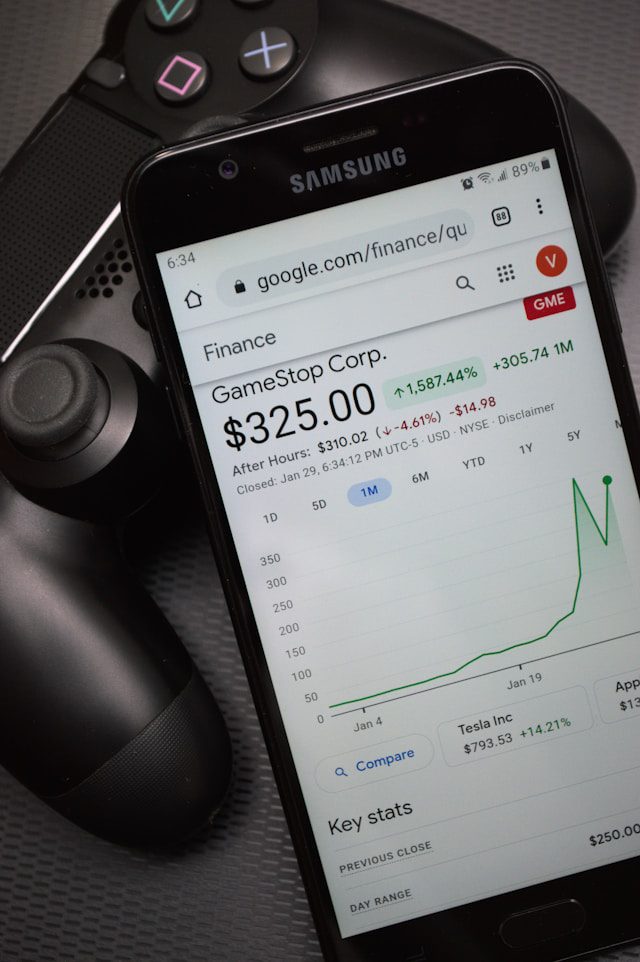
GameStop’s struggles highlight the challenges faced by brick-and-mortar retailers in a changing market. The company gained global attention during the 2021 meme-stock frenzy, when retail traders drove its stock to unprecedented levels, turning the retailer into a Wall Street phenomenon. While this surge provided temporary capital and renewed public interest, it did not address underlying issues in the company’s retail model, including declining in-store traffic, rising e-commerce competition, and shifts in video game distribution.
For Upstate New York communities, these closures represent both an economic and cultural shift. GameStop stores have long served as hubs for gaming enthusiasts, and their absence may impact local foot traffic in malls and shopping districts. Analysts suggest that the closures reflect broader trends in retail, where chains are consolidating and moving toward online-focused strategies, raising questions about the future of physical storefronts in smaller cities and towns.
Uncertainties and Implications
GameStop has remained largely silent on the closures, and the company has not provided specific plans for workforce transitions or support for affected communities. It is unclear how these changes will influence long-term consumer engagement in Upstate markets or whether local stores might be replaced by new retail models. The scale and speed of the pullback underscore the precarious position of physical retailers in an increasingly digital market, and highlight potential gaps in support for local employees and communities during large-scale corporate restructuring.
