


Upstate New York has long been a cornerstone of the state’s agricultural economy, with rich farmland, dairy production, and processing assets supporting a robust food manufacturing sector. In recent years, this region has experienced notable momentum as both large corporations and smaller producers invest in capacity expansion, innovation, and sustainability initiatives. From massive factory builds to modernization of heritage facilities and growth in specialty manufacturing, Upstate New York’s food and beverage industry is shaping the future of regional manufacturing.
This article explores key trends driving food and beverage manufacturing in Upstate NY, including investment and job growth, supply chain evolution, sustainability practices, workforce development, and the impact of state policies designed to support industry competitiveness.
Major Investments and Expansion Projects
One of the most significant trends in recent years has been large‑scale capital investment in manufacturing facilities. A standout example is Chobani’s $1.2 Billion Natural Food Production Facility in the Mohawk Valley. Announced by New York state leadership, the new facility in Rome, Oneida County will be among the largest natural food manufacturing sites in the U.S., with a planned capacity to produce over one billion pounds of dairy products annually. It also is expected to create more than 1,000 new jobs, significantly impacting the regional economy and solidifying New York’s role as a national leader in yogurt and dairy processing.
In addition to this immense expansion, local manufacturers are continuing to reinvest in their operations. For example, BelGioioso Cheese is expanding operations in Glenville and Steuben counties with a $23 million investment, which includes purchasing additional milk from New York dairy farms and creating new jobs. These expansions reflect a broader trend of dairy and specialty food companies doubling down on Upstate locations to remain close to key agricultural supply chains and reduce transportation costs.
Other capital projects include the revitalization of facilities such as the AgriAmerica Fruit Products grape processing plant in Chautauqua County, where modernization efforts have increased fruit processing capacity and preserved jobs in Western New York.
Job Growth and Economic Impact
Food and beverage manufacturing has been a notable engine of employment growth in Upstate New York. A 2024 analysis showed that the Capital Region alone saw the number of food and beverage establishments increase by 31.4% between 2019 and 2023, with employment rising by more than 22% during that same period. This trend underscores the sector’s resilience and its ability to create opportunities even in regions with historically slower economic growth.
While precise statewide employment figures vary by region and commodity type, these localized increases represent a broader pattern of job expansion in food and beverage manufacturing segments such as dairy, beverage production, and fruit and vegetable processing.
Supply Chain Evolution and Local Agriculture
Upstate NY’s historic strength in agriculture continues to underpin its manufacturing sector. With more than 3,000 dairy farms producing roughly 16 billion pounds of milk annually, the region’s proximity to raw materials gives it an advantage in dairy and specialty cheese production, including products made by companies like BelGioioso and others.
Manufacturers benefit from being embedded in a supply chain ecosystem where raw ingredients are readily accessible, reducing logistics costs and reinforcing supply chain reliability. This integration also strengthens ties between processors and farmers, supporting rural economies while providing manufacturers with traceable, high‑quality inputs.
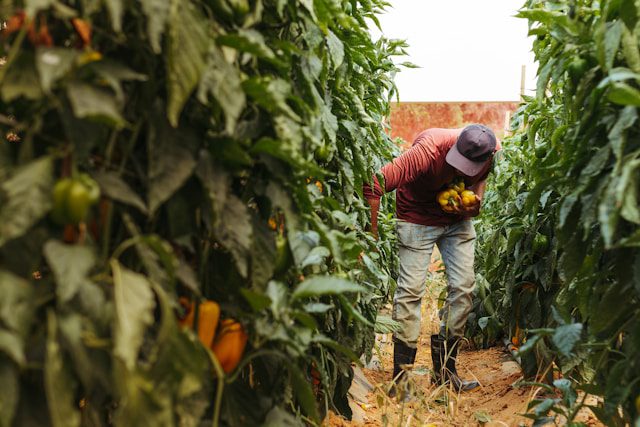
Beyond dairy, fruit processing and beverage production continue to capitalize on agricultural output. Expanded processing capacity for juice and other fruit products in Western New York illustrates how manufacturers are adapting to both consumer demand and agricultural supply.
Sustainability and Innovation Trends
Sustainability has emerged as a defining trend across the food and beverage industry worldwide and Upstate NY is no exception. Local producers are increasingly adopting practices that reduce waste and enhance environmental outcomes. For instance, innovative food producers in the region are finding creative ways to repurpose surplus ingredients, such as using leftover bagels to make beer and transforming farm scraps into fertilizer, which reduces waste while creating new products.
Such practices not only align with consumer demand for sustainable and ethical products but also help reduce operational costs and environmental impacts. Reducing waste through upcycling and process efficiency can also enhance a facility’s overall profitability and appeal to environmentally conscious customers.
Workforce Development and Skills Investment
While Upstate NY’s manufacturing employment is growing, workforce development remains a priority to ensure that skilled labor is matched to industry needs. Partnerships between manufacturers, educational institutions, and state workforce programs aim to cultivate the next generation of technicians, operators, and engineers who can support automated and technologically advanced production lines.
State initiatives have expanded training and research opportunities, which indirectly benefit food and beverage manufacturers by broadening the local talent pool. For example, legislation signed to support food and beverage industry training and research programs encourages expanded courses in food science and manufacturing, which can help companies find qualified workers.
Efforts to align educational programs with the needs of the food processing sector, from associate degrees to specialized certifications, help reduce skills gaps that often challenge manufacturers, especially in rural or smaller communities.
Policy Support and Economic Development Programs
Policy measures at the state level continue to bolster the food and beverage manufacturing sector in Upstate NY. Legislative packages aimed at supporting local producers and manufacturers provide resources for expanded production, workforce development, and market access. For example, recent state legislation expanded the number of “cuisine trails” that showcase local food producers, enhancing marketing opportunities for regional brands and increasing consumer engagement.
Programs that incentivize investment, including tax credits, grants, and workforce development support, make Upstate NY more attractive for manufacturing expansions like the Chobani facility and BelGioioso’s growth. These public–private partnerships ensure that economic development keeps pace with industrial opportunity.
Consumer Demand and Market Trends Influencing Production
Consumer demand trends also shape manufacturing activity. Across New York state, organic and specialty food sales have been on the rise for years, reflecting wider national trends toward healthier, more sustainable options. While state‑specific figures for Upstate are limited, data from broader New York food and beverage sectors indicate that organic food sales reached $4.1 billion in 2022 and continue to grow.
Demand for plant‑based products and craft beverages, including cider and beer, has also soared nationally and statewide, encouraging manufacturers to innovate and diversify product lines. Consumer interest in locally sourced and artisanal products encourages smaller Upstate producers to scale operations, while larger manufacturers invest in new product categories that meet evolving tastes.
Challenges and Future Outlook
Despite these positive trends, challenges remain. Food and beverage manufacturers across Upstate New York must navigate rising input costs, labor shortages, and global supply chain pressures that affect raw materials and distribution networks. Automation and advanced manufacturing technologies offer partial solutions, but they require capital investment and skilled operators.
This mix of opportunities and obstacles suggests that successful manufacturers will be those who can balance operational efficiency with innovation, adapt to changing consumer preferences, and leverage public support programs effectively.
Growth and Innovation in Upstate New York’s Food & Beverage Manufacturing Sector
Upstate New York’s food and beverage manufacturing sector is on a dynamic trajectory. With major investments like the $1.2 billion Chobani facility and smaller expansions across the region, food manufacturers are increasing capacity, creating jobs, and strengthening the local economy. Sustained growth in establishments and employment, particularly in areas like the Capital Region, highlights the industry’s resilience and importance to broader regional prosperity.
Sustainability practices, workforce development efforts, and supportive state policies further enhance the region’s competitiveness. By building on these trends and continuing to adapt to consumer and technological shifts, Upstate New York’s food and beverage manufacturing industry appears poised for continued growth and innovation in the years ahead
