

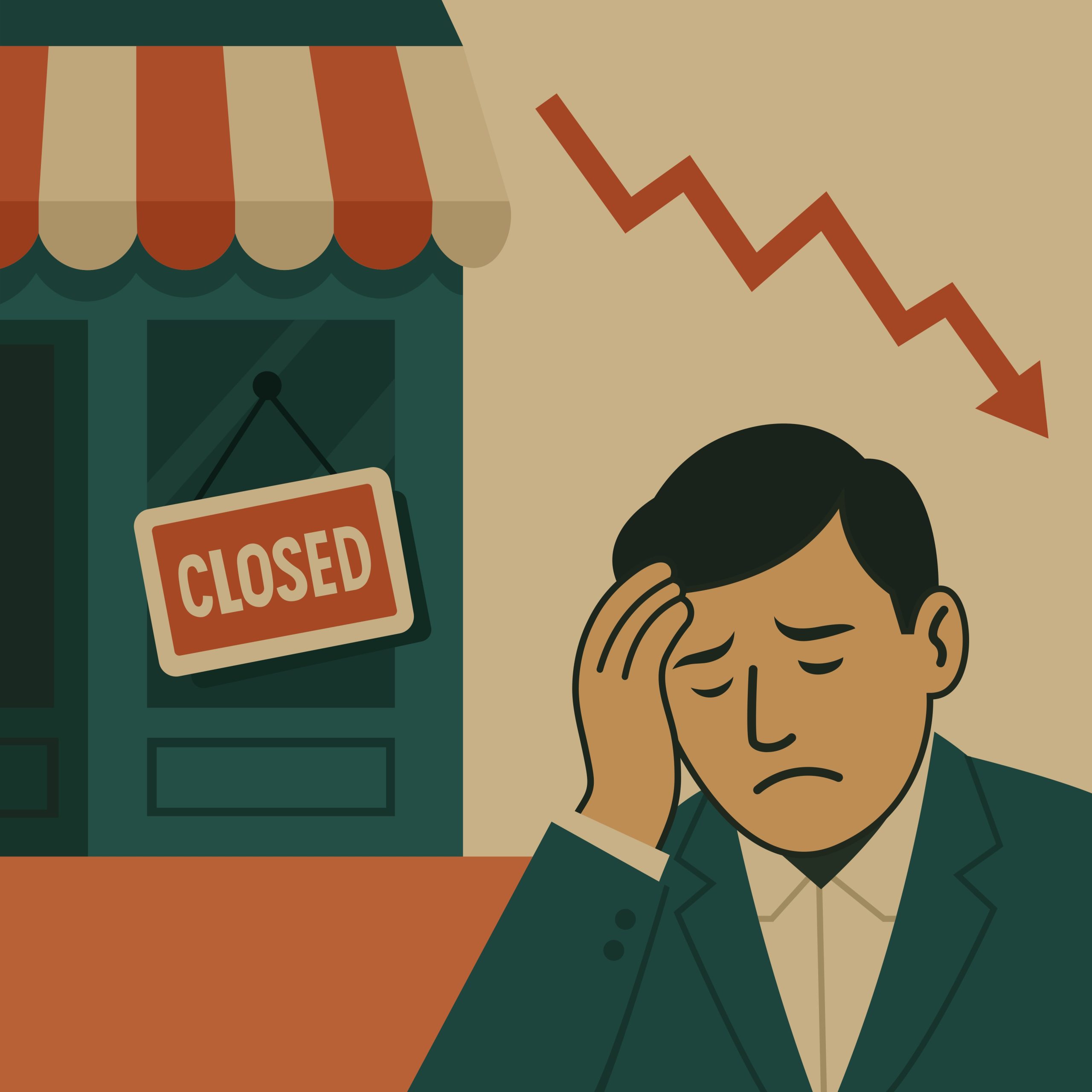
Small business closures in Upstate New York tell a deeper story than spreadsheets and headlines. They reflect changing towns, shifting spending habits, and the pressure local owners face just to keep the lights on. From Binghamton to Buffalo, from Syracuse to the Adirondack corridor, storefronts open and close every year. Each one leaves behind lessons worth paying attention to.
This is not about blame. It’s about patterns. And more importantly, what communities and entrepreneurs can actually learn from them.
The Quiet Reality Behind Closures
Drive through many Upstate New York main streets and you will see it. A faded “For Rent” sign in a window that used to be a café. A former hardware store turned empty shell. A diner that once served Sunday breakfast now dark and silent.
Most closures do not happen overnight. They build slowly. Rising rent. Thin margins. Staffing struggles. Seasonal demand swings that feel like emotional whiplash for owners.
A shop in the Catskills might thrive in July and August, then barely survive January. That kind of cycle wears people down.
One former bookstore owner in Ithaca once described it simply: “It wasn’t one big thing. It was a thousand small hits.”
That sentence says a lot about small business life in the region.
Cash Flow Is King, Even When No One Wants to Talk About It
Many small businesses fail for one simple reason. Cash runs out.
Not ideas. Not passion. Cash.
Upstate New York businesses often deal with uneven revenue streams. Tourism-heavy towns rely on summer traffic. College towns depend on student cycles. Manufacturing-adjacent communities feel broader economic shifts quickly.
When income dips, fixed costs do not care. Rent stays the same. Insurance bills arrive like clockwork. Suppliers still expect payment.
A café in Saratoga Springs might sell out on a race weekend but struggle midweek in February. That gap is where trouble grows.
The lesson here is simple. Always know your runway. Not just in theory, but in hard numbers. Owners who survive long-term tend to watch cash flow like a hawk watching a field mouse.
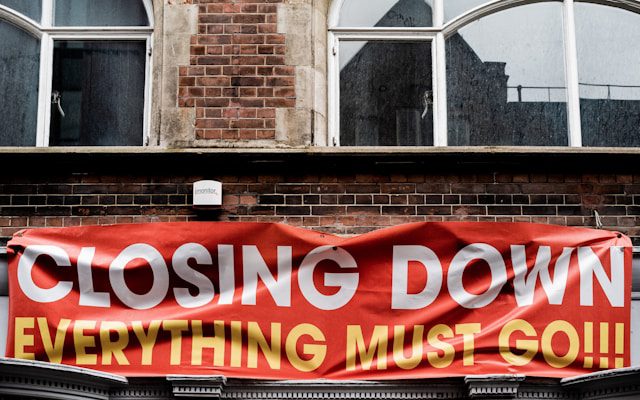
Location Still Matters More Than People Want to Admit
There is a romantic idea that a great business can succeed anywhere. Reality is more stubborn.
In Upstate New York, foot traffic varies wildly. A shop on a busy corridor in Rochester has a different reality than a boutique tucked two streets off a quiet town square in the Southern Tier. Visibility matters. Parking matters. Seasonal walk-by traffic matters.
Too many small businesses underestimate how much location shapes survival odds.
Staffing Challenges Hit Harder in Rural Areas
Hiring in Upstate New York is not always easy. Smaller towns have smaller labor pools. Young workers often leave for bigger cities. Commuting distances can be long, especially in winter.
Restaurants feel this most. A diner in the Finger Lakes region once reported rotating through three full staff changes in a single year.
That creates burnout for owners. It also creates inconsistency for customers. And inconsistency kills loyalty faster than almost anything else.
The lesson is not just about wages. It is about stability. Businesses that invest in training and culture often weather staffing storms better than those that constantly rebuild teams from scratch.
The Hidden Cost of Seasonal Economies
Many small businesses depend on seasonal spikes. Lake George in summer. Ski towns in winter. Leaf-peeping season in October.
Then comes the off-season.
Those slow months can feel like holding your breath underwater.
Businesses that fail to plan for seasonal dips often find themselves borrowing just to survive, which adds pressure and stress.
Diversification helps. So does adjusting inventory and staffing cycles to match reality instead of hope.
Debt Builds Quietly Before It Becomes Loud
Closures rarely begin with a dramatic moment. They begin with credit cards being used a little more than planned. A loan taken to cover payroll. A deferred payment agreement that buys time.
It feels manageable at first. Until it is not.
Across Upstate New York, many small business owners rely on personal savings or home equity. That creates emotional pressure. The business is no longer just a business. It is tied directly to family stability.
That is the hidden weight behind many closures.
Community Support Is Real, But It Has Limits
People often say, “Support local,” and many genuinely try. But even the strongest support has its limits. A community might love a local bookstore, but still order cheaper online. They might enjoy a neighborhood restaurant but only visit once a month.
In small towns, loyalty is strong but not always enough to offset rising costs.
Still, community support matters. Businesses that engage locally tend to last longer. Events, partnerships, local sourcing, and word-of-mouth all add resilience.
But it is not a magic shield. It helps. It does not guarantee survival.
Adaptation Is the Difference Between Surviving and Closing
The businesses that last in Upstate New York often share one trait. They adapt.
Some pivot to online sales. Some add catering or delivery. Others shift hours or simplify menus.
A small hardware store in Cortland survived by focusing on repair services when big-box competition increased. Another café in Albany expanded into coffee subscriptions and merchandise.
Adaptation does not always mean big changes. Sometimes it is small adjustments that compound over time.
Stubbornness can be admirable. But in business, flexibility often wins.
What Closures Teach Us About Opportunity
Every closed storefront leaves a question behind. What could have been done differently?
Sometimes the answer is timing. Sometimes it is capital. Sometimes it is just bad luck.
But there is another side to this story. Each closure also creates opportunity. New owners. New ideas. New energy.
Upstate New York has seen waves of reinvention before. Old factories become breweries. Warehouses turn into markets. Empty shops become studios.
Change is constant. It just wears different clothes depending on the decade.
The Real Lesson
Small business closures are not just economic data points. They are stories of risk, effort, and daily persistence.
In Upstate New York, they reflect a region balancing tradition and transition. Some businesses fall because conditions shift too fast. Others close because the basics were not aligned from the start.
The real lesson is not discouragement. It is awareness.
Know your costs. Watch your cash flow. Understand your location. Respect seasonality. Build community ties, but do not depend on them alone.
And above all, remember this: small business is not a straight road. It is more like a winding county route through the hills of Upstate New York. Some stretches are smooth. Others will test every tire you have.
But the journey still matters.
