


As the school year wraps up and summer travel season begins, many New Yorkers are searching for experiences that can be reached within a day’s drive. From interactive museums and public art installations to mountain hikes and international sporting events, destinations across the state are offering visitors a diverse mix of educational, cultural, and outdoor attractions.
The selection reflects a growing trend in regional tourism: travelers are increasingly choosing shorter road trips that combine affordability with memorable experiences. Across New York, communities are responding with family-focused programming, outdoor recreation opportunities, and limited-time events designed to attract both residents and visitors.
Hands-On Learning Takes Center Stage in Utica
The recently developed children’s museum in Utica represents a broader shift in museum design toward interactive and experiential learning.
Rather than relying solely on traditional exhibits, the museum encourages children to engage directly with STEM concepts, cultural exploration, language learning, and creative play. Interactive stations allow young visitors to experiment with career-focused activities and problem-solving exercises in an environment designed around participation rather than observation.
Museums across the country have increasingly embraced this model, recognizing that younger audiences often learn more effectively through active engagement. Utica’s approach aligns with that trend while highlighting the cultural diversity of the Mohawk Valley region.
Giant Troll Sculptures Bring Environmental Themes to the Adirondacks
One of the state’s most unusual summer attractions can be found in Tupper Lake, where visitors can explore a temporary outdoor exhibition created by internationally recognized artist Thomas Dambo.
The installation features towering troll sculptures constructed primarily from reclaimed materials. Standing as tall as 20 feet, the artworks combine large-scale public art with environmental messaging centered on recycling, sustainability, and creative reuse.
Public art installations of this scale have become increasingly popular tourism drivers because they create experiences that are difficult to replicate elsewhere. Dambo’s troll projects have appeared across multiple continents, and their arrival in the Adirondacks provides New York visitors with access to a globally recognized art experience without leaving the state.
Because the exhibition is scheduled to run only through late October, it represents one of the more time-sensitive attractions available this summer.
Albany’s State Museum Continues to Offer a Rare Free Attraction
As travel costs continue to rise, free attractions remain a significant draw for families planning regional getaways.
The New York State Museum in Albany stands out not only because of its extensive collections but also because admission remains free. The institution houses millions of artifacts, specimens, and historical materials that document the state’s natural history, scientific research, and cultural development.
For visitors interested in understanding New York’s evolution, from its geological foundations to its modern communities, the museum provides a comprehensive overview that few regional institutions can match.
Its location within the state’s capital also makes it easy to combine with visits to other nearby historic sites and government landmarks.
Downtown Corning Blends Small-Town Charm with Modern Tourism
Corning’s Gaffer District continues to build a reputation as one of upstate New York’s most walkable downtown destinations.
Unlike attractions centered around a single landmark, the district offers a collection of experiences that encourage visitors to spend an entire day exploring. Restaurants, breweries, locally owned shops, community events, and public gathering spaces contribute to a vibrant atmosphere that appeals to a broad range of visitors.
Many downtown revitalization efforts across the country struggle to balance tourism with local identity. Corning’s success has often been attributed to maintaining a strong connection to local businesses while expanding its appeal as a visitor destination.
This combination has helped the district remain a popular stop for travelers moving through the Southern Tier and Finger Lakes regions.

Outdoor Adventure Expands Beyond Winter at Catamount
Ski resorts throughout the Northeast have increasingly diversified their offerings to attract visitors year-round, and Catamount Mountain Resort reflects this shift.
While traditionally associated with winter recreation, the resort has developed a growing portfolio of warm-weather activities that include aerial adventure courses, scenic lift rides, and one of the nation’s longest dual zip lines.
The transformation highlights an important trend within the outdoor recreation industry. As climate variability affects winter sports seasons, many mountain destinations are investing heavily in summer attractions to create more stable annual tourism revenue.
For visitors seeking a mix of scenic views and adrenaline-driven activities, Catamount offers an alternative to traditional hiking-focused mountain trips.
Hunter Mountain’s Fire Tower Combines History and Panoramic Views
Fire towers occupy a unique place in New York’s outdoor heritage.
Originally constructed as tools for wildfire detection, many of these structures have become popular hiking destinations after being preserved and restored for public use. Hunter Mountain’s fire tower holds particular significance because it sits at one of the highest elevations among the state’s remaining towers.
The hike provides visitors with access to sweeping views of the Catskills and serves as a reminder of the region’s historical relationship with forest conservation.
Interest in fire tower hikes has grown considerably in recent years as outdoor enthusiasts seek destinations that combine physical activity with historical significance. Hunter Mountain remains one of the most notable examples of that trend.
Binghamton’s Historic Carousels Preserve a Unique Legacy
While many communities celebrate historic architecture or industrial heritage, Binghamton has become known for something less common: antique carousels.
Often referred to as the “Carousel Capital of the World,” the Greater Binghamton area maintains several historic carousels that remain operational and open to the public at no cost.
Their continued preservation offers insight into the recreational traditions of the early twentieth century. Unlike museum pieces viewed from behind glass, these attractions remain functional and accessible, allowing visitors to experience a form of entertainment that has largely disappeared elsewhere.
The free admission policy further strengthens their appeal as a family-friendly destination during the summer months.
World Cup Watch Parties Bring Global Soccer to New York City
New York City’s role in the 2026 FIFA World Cup extends beyond hosting matches.
The city has announced a series of public viewing events across all five boroughs, creating opportunities for residents and visitors to participate in the tournament atmosphere regardless of whether they hold game tickets.
These fan zones are expected to feature live match broadcasts alongside cultural programming, local vendors, and community events.
Large-scale public watch parties have become an increasingly important component of major sporting events because they broaden participation and stimulate local economic activity. For many fans, the communal viewing experience can become nearly as memorable as attending the matches themselves.
The city’s borough-wide approach reflects an effort to distribute World Cup-related tourism and engagement beyond traditional Manhattan-centered destinations.
What These Destinations Reveal About New York Tourism
Taken together, these attractions illustrate how New York’s tourism landscape continues to evolve.
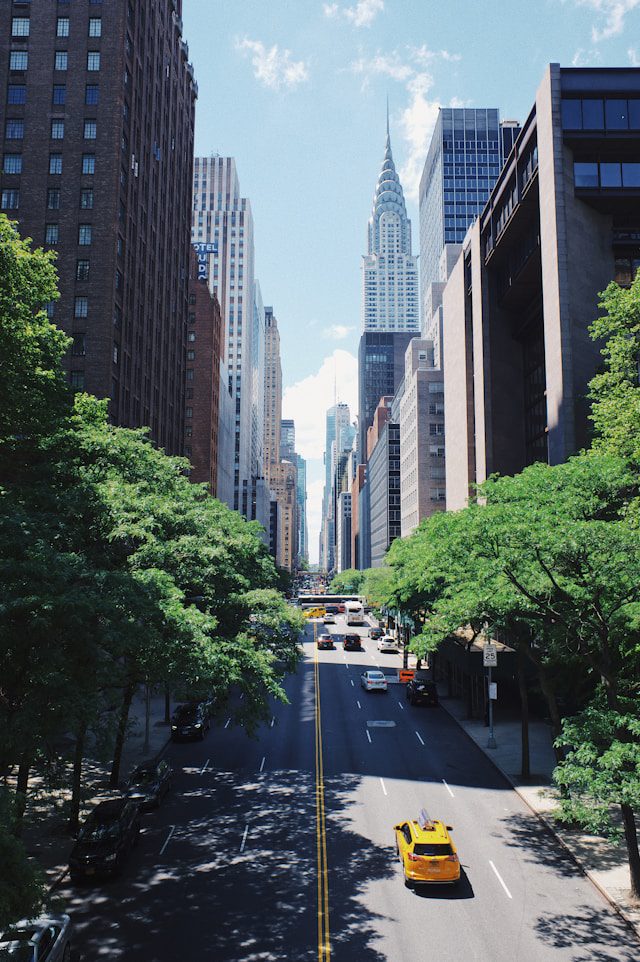
Rather than relying exclusively on iconic destinations such as New York City, Niagara Falls, or the Adirondack High Peaks, communities across the state are developing specialized experiences that appeal to niche interests and multigenerational audiences.
Interactive museums, environmental art installations, preserved historic attractions, outdoor recreation, and international sporting events each target different segments of the travel market. The result is a tourism ecosystem that encourages exploration beyond the state’s most famous landmarks.
One limitation of the source material is that it focuses primarily on attraction descriptions rather than visitor data. Attendance figures, economic impact statistics, and long-term tourism trends were not included, making it difficult to compare the relative popularity or regional significance of each destination. Future reporting could provide additional context on how these attractions contribute to local economies and seasonal travel patterns.
