

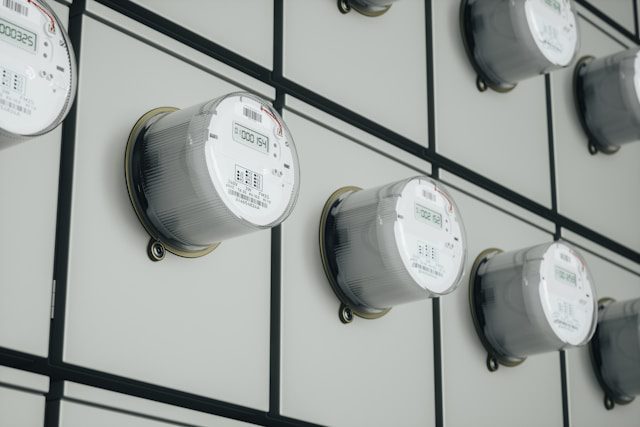
National Grid has begun replacing traditional electric and gas meters with new “smart” meters for customers across Buffalo and the broader Upstate New York region as part of a system-wide modernization effort. The utility says this transition addresses aging equipment nearing the end of its useful life and brings more precise data collection than legacy meters. Smart meters send energy usage information directly to National Grid’s systems, eliminating the need for manual reads and estimated bills. The rollout in Western New York is scheduled through 2027.
Officials also cite improved responsiveness during outages and enhanced ability to detect issues on the grid as reasons for the upgrade. Locally, some consumers expressed curiosity and concern on social media, prompting the company to compile common questions and responses.
Customer Choice and Fees
Participation in the smart meter program is not mandatory for every National Grid customer. If a customer elects not to have a smart meter, they can retain a conventional meter, but this choice carries additional costs. National Grid charges a monthly fee, typically around $13 to $15, plus a one-time charge for manual meter reading and service. Installation of the smart meter itself is provided at no direct cost to the customer.
The fee structure reflects the additional labor required to read older meters manually. It also highlights a broader question about equity of access: customers with limited budgets may be deterred from opting out even if they have reservations about the technology.
Billing and Data Accuracy
One of the most common concerns voiced by residents in the Buffalo area has been billing impacts. National Grid emphasizes that smart meters do not inherently increase customer bills; they simply measure electricity use more accurately. Billing continues to be based on actual consumption rather than meter type. A customer from Rochester reported stable bills after having a smart meter for several years.
However, some uncertainty remains in the broader public discourse. Independent reports from areas outside National Grid’s service, particularly consumers served by other utilities such as NYSEG, describe disputed readings and bill jumps following smart meter installations, though these accounts vary widely and are not verified systematically.
Technical Details and Differences from Other Systems
National Grid is deploying a specific smart meter technology called Revelo, which the company says differs from systems used by other utilities in the state. The meters communicate through a low-level wireless network, sending usage data securely to National Grid’s servers. Radio signals used are similar to those found in everyday household devices and are compliant with federal safety guidelines.
Customers can view their personal energy usage nearly in real time via the National Grid My Account portal, offering granular insight into how and when electricity is consumed. This feature has been cited by local electricians as a tool that can help households make informed decisions about energy efficiency and potentially reduce overall use.
Installation and Practical Considerations
Smart meter installation is designed to be completed in minutes and may not require the homeowner to be present when the meter sits outside. National Grid technicians handle installation and testing, and advanced notice is provided in most cases. Because these meters use a wireless system separate from a customer’s home Wi-Fi or internet, a home’s own connectivity does not affect the meter’s ability to send data.
Some limits remain. In rare instances, meters may take days or even weeks to fully register and transmit data if connection issues arise. National Grid acknowledges that network build-out and occasional temporary interruptions can delay data availability.
Public Perception and Information Gaps
Public reaction in the Buffalo and Upstate New York areas reflects a mix of curiosity, caution, and skepticism. While utility officials provide technical answers and assurances, many residents raised questions about privacy, cost, and long-term reliability. At present, National Grid reports that smart meters only transmit energy usage data, not personal information.
Yet, gaps remain in publicly available independent assessments of long-term performance, especially comparisons with older meter systems. Reports and anecdotes from other utilities’ rollouts suggest that meter performance and customer experiences can vary significantly by region and provider. These mixed accounts highlight the need for ongoing monitoring and transparent reporting as smart meter deployment continues across Western New York.
