

Upstate New York is a collection of small cities, towns, and rural landscapes distinct from the bustling New York City metro. While “Upstate” is considered roughly everything north of Westchester, Rockland, and Long Island, its identity is shaped more by economic trends, cultural heritage, and demographic evolution than by strict latitude lines. The following article discusses how historical industries, population patterns, and cultural institutions intersect to define the region’s character.
Economic Evolution
Historically, Upstate New York thrived on manufacturing, agriculture, and natural resource industries. Cities like Buffalo, Rochester, and Syracuse were industrial powerhouses in the 19th and 20th centuries, producing steel, machinery, and consumer goods. Rural counties often relied on dairy, fruit orchards, and timber.
Contemporary shifts show:
Decline of traditional manufacturing: Many factories have closed, prompting population outflow in some areas. For example, the Rust Belt patterns in Buffalo and Binghamton mirror broader regional trends.
Growth in service, tech, and education sectors: University towns like Ithaca (Cornell University) and Syracuse (Syracuse University) see growth in research, education, and healthcare services.
Emerging industries: Craft breweries, renewable energy, and local food production are revitalizing small-town economies. The Finger Lakes wine industry, for instance, now attracts global attention, merging agriculture with tourism.
The economic diversity creates a patchwork effect, some cities show growth, while rural counties struggle with aging infrastructure and limited job opportunities.
Cultural Identity
Upstate New York’s cultural landscape is a blend of historic preservation, local traditions, and arts communities. Key cultural drivers include:
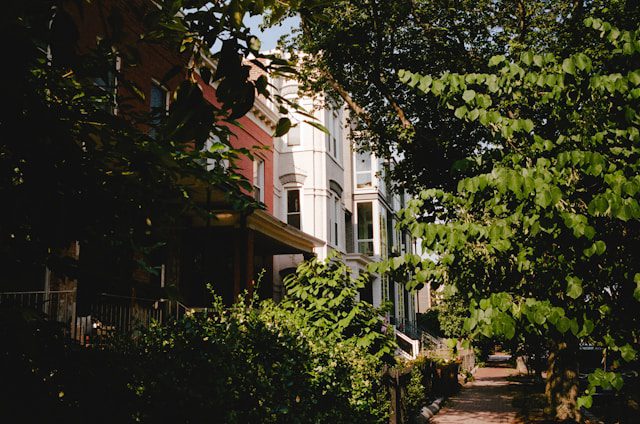
Historic architecture and museums: Erie Canal towns, Hudson River Valley estates, and Victorian-era neighborhoods in Rochester and Syracuse offer a tangible connection to the past.
Festivals and community events: From the Tulip Festival in Albany to the Glens Falls Arts Festival, these gatherings foster local pride and attract regional tourism.
Educational and artistic hubs: Colleges and universities anchor cultural activities, from symphonies to community theaters. Ithaca, for instance, is recognized nationally for its vibrant arts scene despite a small population.
These cultural elements help differentiate Upstate from Downstate New York, reinforcing local identity even as economic and demographic shifts occur.
Demographic Shifts
Population trends in Upstate New York have diverged significantly from the downstate metro area. Rural counties face population decline, compounded by younger residents leaving for urban centers or outside the state. Counties such as Chenango and Hamilton have median ages well above the state average.
College towns and mid-sized cities like Syracuse, Rochester, and Albany maintain stable populations due to educational institutions and healthcare employment. Some cities are seeing gradual increases in immigrant and minority populations, particularly refugees and international students, adding cultural richness and economic activity.
These shifts impact everything from school enrollment to workforce development and local economies.
Infrastructure and Urban Planning
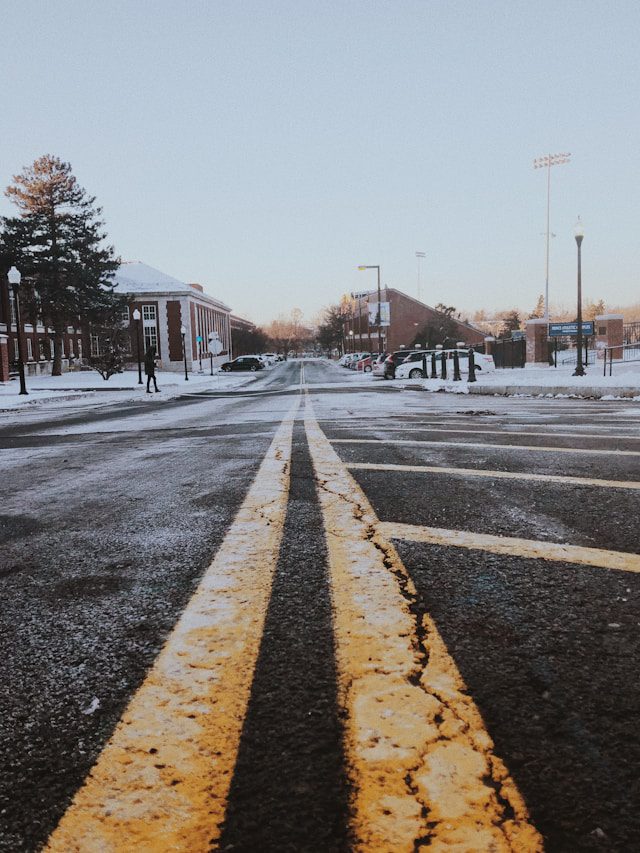
Demographics and economic activity influence infrastructure development. Maintaining state and local roads through harsh winters is a major focus, especially for rural and suburban towns reliant on highways for commerce.
Cities with growing populations face pressures on housing affordability and rental markets, while some rural areas experience abandoned properties and declining property values. Declining rural populations challenge funding for healthcare, education, and emergency services, while cities need to adapt to increasing service demand.
Community and Civic Engagement
Upstate New York communities often show high levels of civic engagement, though engagement patterns vary:
Volunteerism: Small-town volunteerism, from fire departments to school boards, remains high.
Regional media impact: Local newspapers, radio stations, and digital platforms provide forums for discussion and information-sharing, reinforcing community identity.
Grassroots initiatives: Community foundations and local nonprofits fill gaps in social services and arts funding, reflecting strong local networks despite demographic challenges.
Environmental and Geographic Identity
Natural features strongly define Upstate New York. The Hudson River, Finger Lakes, and Lake Ontario shape local economies and recreational opportunities.
Farmland in the Mohawk Valley, Southern Tier, and Genesee Valley supports both traditional agriculture and agritourism. Hiking, skiing, and boating are major contributors to regional identity and economic activity, particularly in the Adirondacks and Catskills.
Challenges and Opportunities
While Upstate New York continues to contend with long-standing economic and demographic pressures, the region is also seeing the emergence of tangible opportunities that could reshape its future.
The expansion of remote work has reduced the need for workers to be physically tied to major metropolitan areas, making it more feasible for younger professionals to remain in, or return to, Upstate communities while maintaining competitive careers. At the same time, tourism and agritourism have become increasingly important economic drivers. Wine trails in the Finger Lakes, ski resorts in the Adirondacks and Catskills, and heritage-based tourism through historic towns generate seasonal employment, support small businesses, and bring outside investment into local economies.
In parallel, universities and public-private partnerships across the region are helping to establish innovation hubs focused on technology, research, advanced manufacturing, and healthcare, providing pathways for entrepreneurship and workforce development. How effectively Upstate New York builds on these strengths while confronting challenges such as population decline, aging infrastructure, and persistent economic inequality will play a central role in shaping the region’s long-term trajectory.
A Region in Transition
Upstate New York today is a complex, multifaceted region where history, culture, economy, and demographics intersect. From aging rural counties to vibrant college towns, the region is defined not by a single narrative but by a mosaic of communities adapting to change. Understanding these economic, cultural, and demographic shifts is essential for policymakers, businesses, and residents seeking to navigate the opportunities and challenges unique to Upstate New York.
Its character emerges not from a single city or economic sector, but from the combination of heritage, resilience, and innovation that continues to define communities across the region. For anyone looking to understand what makes Upstate New York distinct, these shifts offer a lens into both its challenges and its enduring vitality.
