

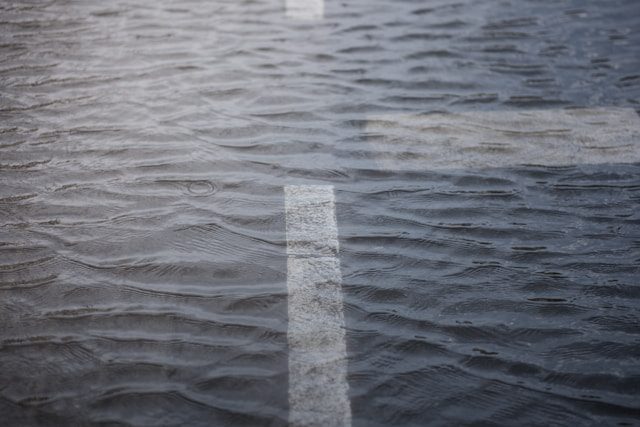
A significant water main break early Sunday morning sent large volumes of water cascading into streets and residential basements in the North Buffalo area near Hartwell Road and Delaware Avenue, disrupting homes and prompting emergency responses from city crews. The break forced shutdowns of several water lines and led to evacuations as crews worked to control flooding and begin repairs.
Early Morning Break and Emergency Response
Local authorities were alerted to the break shortly after it occurred and responded to reports of flooding and potential electrical hazards, according to the Buffalo Fire Department. Emergency crews from the fire department, Department of Public Works, sewer operations, and utility partners arrived on scene to assess conditions and mitigate immediate risks. Several water mains feeding the affected zone were shut off to stem the flow and protect nearby infrastructure.
Homes Flooded and Residents Evacuated
The water main failure had a pronounced impact on residents in the surrounding blocks. City officials confirmed that about ten homes experienced flooding in their basements, with water levels ranging significantly in affected properties. At least eight residents were evacuated from residences where water rose between roughly a foot and four feet, creating unsafe conditions that required relocation to temporary warming shelters.
Deputy Mayor Benjamin Swanekamp described the break as “very complicated,” noting that the size of the pipe and local winter conditions — including snow and ice clogging sewer drains — contributed to backups in the Buffalo sewer system and worsened surface flooding in the area.
Damage and Ongoing Cleanup Efforts
In addition to damaged basements, nearby businesses such as the Elmwood Regal Plaza were included in the water service disruption as crews isolated the broken sections of pipe and worked to install replacements. As of late morning, city crews had removed the damaged pipe and were actively installing new infrastructure. Road crews were clearing ice and salt from the submerged street, aiming to restore safe traffic flow.
Residents directly affected shared firsthand accounts of the disruption. One homeowner expressed concern about freezing water in the basement and the loss of personal items, emphasizing the dual challenge of dealing with water damage and winter conditions that can cause ice buildup. While some neighbors reported only street flooding, others described significant damage inside homes.
Broader Infrastructure Context
Water main breaks are a recurring challenge in urban areas, particularly in older cities with aging infrastructure. In Buffalo and other communities across New York State, extreme winter conditions and fluctuating temperatures can stress underground water lines, increasing the likelihood of ruptures. Experts note that when sewers are blocked with ice and snow, runoff from a break can have nowhere to go, intensifying flooding rather than draining into proper channels.
In some recent cases statewide, similar breaks have led to boil water advisories, drops in water pressure, and longer repair timelines, underscoring the strain on infrastructure systems during winter months (e.g., breaks in other New York communities have prompted pressure advisories as crews work to restore normal service).
Safety and Recovery Guidance
City officials advised residents to avoid the affected areas while emergency crews continue cleanup and reconstruction. Residents with property damage are being directed to contact the City of Buffalo Corporation Counsel for assistance. In flood situations involving broken water mains, officials generally recommend that those impacted document damage thoroughly, communicate with local authorities, and consult with insurance providers regarding coverage options.
Repair timetables for water main breaks can vary widely based on the size of the pipe, weather conditions, and the complexity of utility and street restoration work. In some cases, routine main replacements take only a few hours, but larger breaks that disrupt sewer systems and require major pipeline work can extend into multiple days.
Community Impact and Comparisons
This event adds to a pattern of water infrastructure failures in Western New York that have disrupted neighborhoods, services, and local businesses. In Buffalo and other municipalities, officials and water authorities have increasingly emphasized the need for continued investment in system upgrades to reduce the frequency and severity of future breaks. Past incidents in the region have included similarly disruptive breaks that shut down streets, forced evacuations, and cut water service for extended periods.
At a time when many U.S. cities are confronting aging water networks, the Buffalo break serves as a stark example of the real-world consequences when critical pipes fail. Long-term solutions often involve prioritizing replacements of older main lines, improving emergency response planning, and increasing communication with residents about repair timelines and safety practices.
What Remains Unclear
At this point, authorities have not provided a precise estimate of how long full service restoration will take, nor have they detailed whether any long-term infrastructure improvements will follow this specific break. Additionally, information regarding broader impacts on regional water pressure beyond the immediate neighborhood remains limited, and residents outside the core affected zone have not been briefed publicly on any precautionary measures such as boil advisories or pressure warnings.
Ongoing Reporting
As crews continue reconstruction and evaluate conditions, follow-up statements from city officials and water departments are expected to clarify repair progress. Residents interested in updates or support resources are encouraged to follow official city communication channels and local news outlets for the most current information.
