

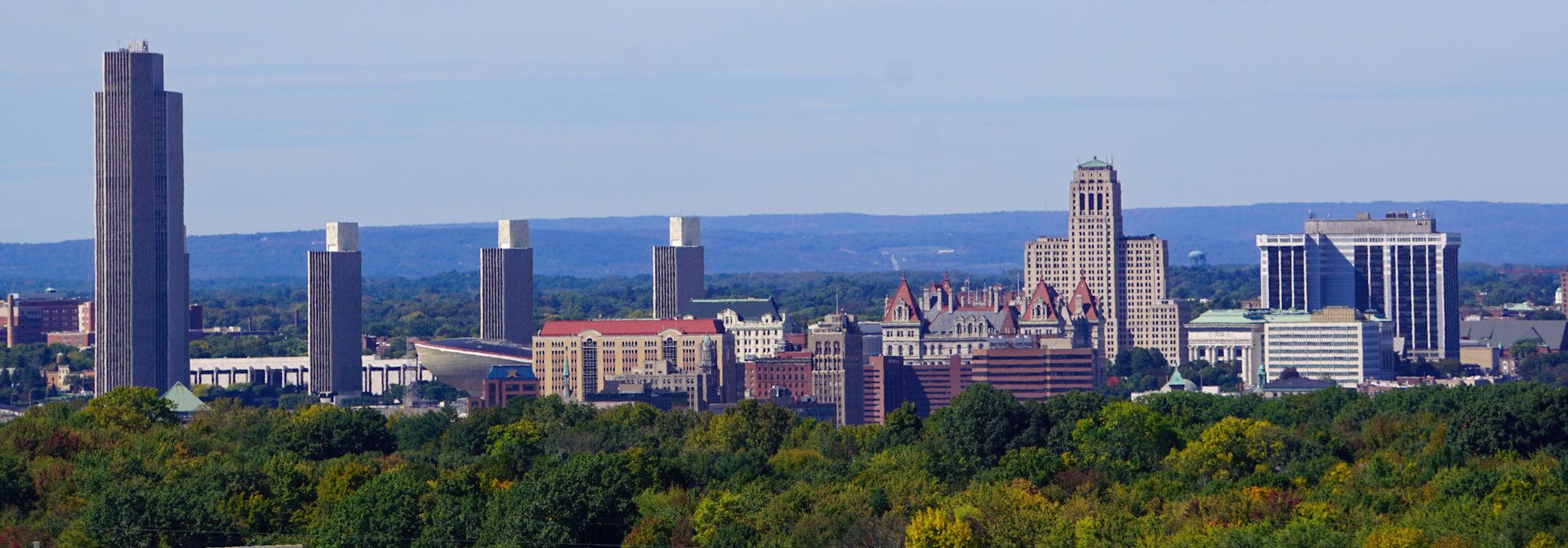
Upstate New York stands at a critical economic inflection point in 2026. Once primarily defined by manufacturing legacies and agricultural heritage, the region’s economy has diversified into tech clusters, health care, education, logistics, and advanced manufacturing. Yet with opportunity comes complexity: evolving demographic patterns, infrastructure deficits, regional disparities, and global competitive pressures shape how Upstate communities grow and thrive.
Understanding the economic outlook for Upstate New York is essential for local business leaders, policymakers, investors, and residents who have a stake in the region’s future. While national headlines often focus on metropolitan areas like New York City, Upstate’s economy offers a unique blend of small-city potential, rural dynamism, and emerging industry innovation.
As we unpack Upstate New York’s economic trends, this analysis explores the structural foundations of the region’s economy, quantifies performance metrics, identifies key drivers shaping growth, outlines significant risks, and highlights areas where opportunity is most robust. It also provides strategic insights for leaders across sectors seeking to navigate an evolving landscape.
Understanding Upstate New York’s Economic Landscape
Upstate New York encompasses a broad and diverse set of cities, towns, and rural areas north of the New York metropolitan area, including Buffalo–Niagara, Rochester, Syracuse, the Capital Region (Albany–Troy–Schenectady), the Hudson Valley, the Southern Tier, and the North Country. Unlike Downstate New York, whose economy is dominated by finance, media, and corporate headquarters, Upstate’s economy has historically leaned on manufacturing, transportation, higher education, healthcare, and natural resources.
The economy is significant not only for its contribution to the state’s overall GDP but also for its role in fostering regional stability, supporting a diverse labor market, and driving innovation beyond the state’s traditional coastal hubs. Understanding the 2026 economic outlook requires examining three key dimensions:
Economic Diversification – The region is gradually transitioning from reliance on legacy industries, such as manufacturing and resource extraction, toward emerging sectors including technology, advanced manufacturing, renewable energy, and healthcare innovation. This shift shapes growth potential and resilience.
Workforce Dynamics – Labor force trends, including participation rates, skills availability, and demographic pressures, play a critical role in determining the region’s competitiveness. Talent retention, workforce upskilling, and adaptation to automation and digital tools will influence economic performance.
Infrastructure and Investment – The development of physical infrastructure, from transportation networks to utility systems, alongside digital infrastructure like broadband connectivity, underpins economic expansion. Strategic investments in these areas enable business growth, attract new industries, and support regional integration.
Together, these themes offer a structured lens for assessing both the opportunities and constraints influencing the economy in New York.
Economic Diversification and Industry Evolution
Upstate New York’s economic history is rooted in manufacturing, particularly steel, automotive components, and consumer goods. Over the past few decades, however, that legacy has evolved significantly. The decline of traditional heavy industry led many communities to embrace new industry clusters, from information technology in Rochester to biotech and life sciences in the Capital Region.
Education and healthcare (often considered “eds and meds”) continue to anchor local employment and economic activity. Institutions such as the University at Buffalo, Cornell University, SUNY systems, and regional medical centers serve as both employers and innovation incubators.
This shift has not been uniform, however. Some communities have struggled to replace lost manufacturing jobs, while others have successfully leveraged technology, research partnerships, and strategic investment to foster new growth sectors.

Workforce Dynamics and Demographic Shifts
Workforce trends are perhaps the most pressing aspect of Upstate’s economic outlook. Many parts of the region face aging populations and slower workforce growth compared to national averages. Younger residents often migrate to larger metropolitan areas in search of higher-paying opportunities, creating talent shortages in critical sectors.
At the same time, pockets of growth in emerging industries attract talent regionally and nationally, particularly where quality of life, lower cost of living, and community amenities are strong selling points. The future of Upstate’s workforce will depend on its ability to retain and attract workers, upskill existing employees, and align educational pipelines with evolving industry needs.
Infrastructure and Investment Foundations
Infrastructure remains a foundational determinant of Upstate New York’s economic success. Major transportation networks, such as I‑90, I‑81, major rail corridors, and proximity to the Great Lakes, historically positioned the region as a logistics hub.
Today, broadband expansion and digital infrastructure investments are equally critical. Rural areas, in particular, require high‑speed connectivity to participate fully in digital economies. Moreover, regional economic development initiatives, public‑private partnerships, and access to capital all influence investment flows and expansion prospects across local markets.
Measuring Upstate New York’s Economic Performance
To better understand the state’s current economic position, it’s essential to examine both quantitative and qualitative performance metrics that illuminate the region’s trajectory. Quantitative indicators, such as GDP growth, unemployment rates, wage trends, and sector-specific output, provide concrete measures of economic health. For example, tracking the growth of advanced manufacturing, healthcare services, and technology adoption reveals which sectors are driving expansion.
Qualitative metrics complement this by assessing factors like business confidence, innovation ecosystems, workforce readiness, and regional competitiveness. Surveys of local employers, investment patterns, and policy effectiveness highlight the structural strengths and weaknesses that numbers alone may not capture. Together, these performance indicators offer a comprehensive picture of Upstate New York’s economic resilience, highlight emerging opportunities, and identify vulnerabilities that may influence policy and investment decisions throughout the year.
By combining hard data with contextual insights, everyone from business leaders and investors to policymakers can make informed decisions that leverage the region’s strengths while addressing persistent challenges.
GDP and Economic Output Trends
Upstate New York’s contribution to state GDP has grown modestly over the past decade. Sectors such as healthcare, technology services, education, and logistics have boosted economic output, partially offsetting declines in traditional manufacturing. While growth has been slower than national averages, the diversification of local economies indicates a broadening base that is more resilient to sector‑specific downturns.
According to economic forecasts by state and regional planning agencies, the region is expected to continue its moderate growth trend through 2026, supported by service sector expansion and emerging clusters in technology and life sciences.
Labor Market Dynamics and Employment Metrics
Employment patterns in Upstate New York reflect national shifts toward service‑oriented work. Healthcare, retail, professional services, and technical occupations account for a growing share of jobs. Nevertheless, labor force participation remains an area for improvement, particularly among prime‑age workers in certain counties.
Unemployment rates vary across the region, with larger urban centers generally faring better than remote rural communities. Workforce challenges continue to center around skills alignment, labor shortages in technical fields, and competition with other regions for top talent.
Income and Wage Growth Comparisons
Income levels in Upstate New York have seen gradual improvement, driven in part by growth in professional and technical occupations. However, wage growth has not kept pace with inflationary pressures in recent years, affecting household purchasing power and consumer confidence. Cities with stronger industry clusters tend to exhibit higher wage growth, while areas with more limited economic diversification lag behind.
These wage dynamics influence consumer spending patterns, housing affordability, and savings rates, all essential indicators of regional economic health.
Drivers and Influences
Several key drivers influence Upstate New York’s economic outlook. These include demographic trends, policy initiatives, technological adoption, and global economic forces.
Demographic Shifts and Population Trends
Demographics profoundly shape economic prospects. Upstate New York faces an aging population and net outmigration of younger workers, presenting challenges for workforce sustainability. In contrast, regions that attract remote workers, families seeking lower cost of living, and entrepreneurs are experiencing revitalization.
Policies aimed at enhancing quality of life, expanding childcare and education access, and supporting aging populations will affect long‑term demographic stability and workforce availability.

Policy Environment and Government Initiatives
State and local policy decisions play a pivotal role in shaping economic activity. Incentive programs for business investment, tax credits for innovation, targeted workforce development initiatives, and infrastructure funding all influence where companies locate and expand.
Efforts such as downtown revitalization grants, technology incubators, and support for small business development have helped stimulate local economies, while regulatory complexity and tax burdens remain ongoing concerns for some enterprises.
Technological Adoption and Industry Innovation
Upstate New York’s economic future increasingly hinges on its ability to adopt and integrate modern technologies. Tech adoption is visible in expanding IT services, cloud‑based operations, data analytics, and digitization of traditional industries.
Higher education institutions partner with industry to develop research hubs, incubators, and innovation districts that attract startups and investment. This blend of academic rigor and practical application broadens regional competitiveness.
Risks and Challenges
No economic outlook is complete without addressing the risks and vulnerabilities that could dampen growth or destabilize progress. Upstate New York faces a range of potential headwinds, from demographic shifts such as an aging workforce and outmigration of young talent, to structural challenges in legacy industries like manufacturing. External factors, including global supply chain disruptions, inflationary pressures, and shifts in federal and state policy can further affect investment, consumer confidence, and business operations. Understanding these risks is critical for stakeholders, as it allows policymakers, investors, and regional leaders to design strategies that mitigate exposure while positioning the economy for sustainable, long-term growth.
Workforce Shortages and Skills Gaps
One of the most persistent risks for Upstate New York is the ongoing challenge of workforce shortages. Sectors like manufacturing, healthcare, IT, and logistics all report difficulty finding qualified candidates. Skills gaps, particularly in technology, advanced manufacturing, and data analytics, hinder expansion and productivity.
Mitigating strategies include expanded vocational training, stronger ties between educational institutions and employers, and incentives to attract skilled professionals.
Infrastructure Gaps and Digital Divides
Infrastructure remains a double‑edged sword in Upstate’s economic outlook. While major transportation networks provide strong logistical advantage, gaps in broadband access and aging physical infrastructure limit participation in the digital economy. Rural counties, in particular, face hurdles in accessing high‑speed internet, which is increasingly indispensable for business continuity, education, and remote work.
Addressing these disparities through targeted investments is critical to ensuring inclusive economic growth.
Competitive Pressures and Investment Attraction
Upstate New York competes with other regions for business investment, talent, and capital. While Upstate offers quality of life and lower operating costs compared to coastal hubs, it must differentiate itself through pro‑business policies, workforce incentives, and clear value propositions to attract and retain employers and investors.
Opportunities / Areas for Growth
Despite a few challenges, Upstate New York has viable paths for future growth. These opportunities leverage both the region’s long-standing economic strengths, such as manufacturing expertise, higher education institutions, and healthcare infrastructure and emerging trends like technology adoption, clean energy development, and advanced logistics. By building on these foundations, the region can attract new investment, support workforce upskilling, and foster innovation clusters.

Expansion of Tech and Innovation Hubs
Urban centers like Rochester, Albany, and Syracuse are evolving into vibrant innovation ecosystems. Public and private investment in research parks, incubators, and tech accelerators are drawing startups and established companies alike. This dynamism supports job creation in high‑value sectors and diversifies economic bases beyond legacy manufacturing.
Healthcare and Life Sciences Growth
Healthcare, including biotechnology and life sciences, continues to be a major economic engine. The presence of research institutions, medical centers, and a growing aging population fuels demand for healthcare services and related technology innovations. Investment here supports both job creation and exportable intellectual property.
Logistics and Advanced Manufacturing
Upstate’s geography, intersecting major transport corridors and proximity to the Canadian border, positions it well for logistics and advanced manufacturing growth. Supply chain diversification and nearshoring trends are increasing interest in secure, domestic production facilities. This trend supports regional investment in automation, robotics, and specialized manufacturing clusters.
Strategic Initiatives to Drive Future Growth
Invest in Workforce Development
Upstate New York’s long-term economic growth depends on cultivating a workforce that meets the demands of rapidly evolving industries. Expanding training programs in technology, healthcare, and advanced manufacturing ensures that workers are equipped with the skills employers need today and will need in the future. Public-private partnerships, vocational training, and apprenticeship programs can bridge skill gaps, increase employment opportunities, and help retain talent locally rather than losing it to Downstate or out-of-state markets. By aligning workforce development initiatives with sectoral growth, Upstate can create a resilient talent pipeline capable of supporting innovation and high-value economic activity.
Bridge Infrastructure Gaps
Robust infrastructure is the backbone of a competitive economy. Prioritizing broadband expansion, transportation improvements, and upgrades to utilities will reduce digital and physical bottlenecks that currently limit business expansion and innovation. High-speed internet access across rural and suburban areas is critical to supporting remote work, digital startups, and e-commerce. Meanwhile, modernizing roads, bridges, and public transit can improve supply chain efficiency and attract businesses that rely on seamless logistics. Infrastructure investment also has the potential to create immediate jobs while laying the foundation for sustained regional economic growth.
Promote Innovation Ecosystems
Encouraging collaboration between universities, research institutions, incubators, and private industry can position Upstate New York as a hub for innovation. Supporting startup accelerators, technology transfer programs, and R&D partnerships enables local entrepreneurs to scale businesses quickly, attract venture capital, and bring new products and services to market. These ecosystems create spillover benefits, fostering knowledge sharing, boosting local employment, and reinforcing the region’s reputation as a destination for forward-thinking companies. By leveraging academic expertise and private sector experience, Upstate can accelerate commercialization of ideas and diversify its economic base.
Enhance Business Climate
A competitive business environment is essential to attract investment and retain companies. Simplifying regulatory processes, streamlining permitting, and offering targeted tax incentives can make Upstate New York more appealing to both startups and established firms. Policies that reduce bureaucratic friction and encourage entrepreneurship can accelerate job creation while stimulating capital inflows. Additionally, fostering a business-friendly culture that emphasizes transparency, predictability, and support for small- and medium-sized enterprises will strengthen investor confidence and encourage long-term regional economic growth.
Foster Growth
Equitable development ensures that all communities benefit from regional economic expansion. Strategies should focus on improving access to education, healthcare, and high-quality jobs in rural and underserved areas, as well as supporting small businesses. Infrastructure and investment efforts should be geographically inclusive, bridging the divide between urban centers and peripheral regions. This not only strengthens social cohesion but also expands the labor pool, generates new consumer markets, and maximizes the overall economic potential of Upstate New York.

Balancing Growth and Risk
Upstate New York’s economic outlook for 2026 reflects a region at the crossroads of tradition and transformation. Growth trends point to diversification, emerging industry clusters, and expanding innovation hubs. Yet headwinds from workforce shortages, infrastructure disparities, and competitive pressures persist.
Navigating this landscape requires an integrated approach that balances bold investment with thoughtful risk management. Leaders from business, government, education, and community organizations must align on shared priorities: workforce readiness, strategic infrastructure development, and a business climate that attracts both talent and investment.
The story of Upstate New York’s economy is not one of inevitable decline or automatic resurgence. It is a narrative shaped by deliberate choices: policy decisions, capital allocation, workforce cultivation, and community engagement. As the region looks toward 2026, the convergence of opportunity and challenge underscores a broader truth: sustained economic success will come to those who can innovate with purpose, invest with discipline, and collaborate with intention.
