

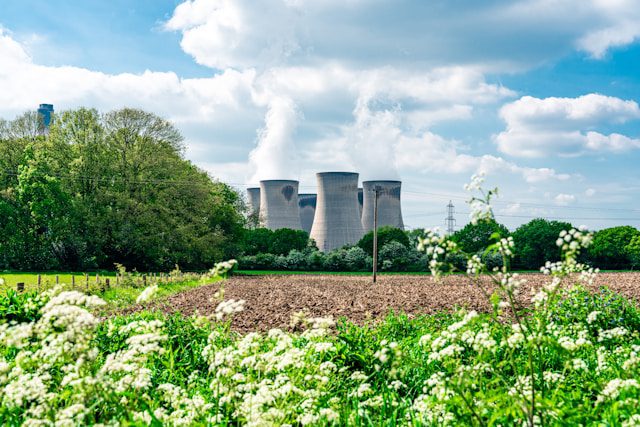
State regulators have approved a major extension of financial support for New York’s existing nuclear power plants located in Oswego and Wayne counties, continuing a subsidy program designed to ensure these aging facilities remain in operation through 2049. The decision by the New York State Public Service Commission builds on a decade-old framework that compensates nuclear generators for their role in the state’s electricity mix and climate goals.
Protecting Grid Reliability and Emissions Goals
The four reactors subsidized under the state’s Zero Emissions Credit (ZEC) program — including the Ginna, FitzPatrick, and Nine Mile Point plants — supply roughly 20 percent of New York’s electricity and a significant share of its carbon-free power. Supporting their continued operation aligns with state goals to reduce greenhouse gas emissions and maintain electric system reliability as older fossil fuel plants retire. State officials emphasize that keeping these plants online helps stabilize the grid and supports clean energy mandates, such as reducing emissions while integrating renewables like wind and solar.
The subsidy extension is also intended to underpin ongoing federal licensing processes and broader state initiatives to expand nuclear generation, including proposals to add advanced nuclear capacity that could increase total nuclear output in New York.
Ratepayer Costs and Tax Credit Offsets
Since the inception of the subsidy program in 2016, electricity consumers have contributed to keeping these facilities financially viable. For example, National Grid customers in recent years paid tens of millions of dollars annually into the ZEC program. State regulators contend that federal tax credits, such as those from the Inflation Reduction Act, may offset some of the future costs ratepayers face, though the long-term burden remains a point of discussion among consumer advocates.
The exact total cost of the extended subsidies has been debated. Some third-party analysts and advocacy groups place the figure in the tens of billions of dollars over the life of the program, a level of spending that critics argue could surpass investments in renewable energy and energy storage. These critics also point to the lack of detail on how future cost impacts will be managed for residential and business customers.
Ongoing Debate over Energy Policy and Future Planning
Supporters of nuclear subsidies argue that preserving existing reactors is essential to ensure a reliable, low-carbon electricity supply as New York transitions to cleaner energy sources. They highlight the difficulty of replacing large baseload power contributions with intermittent renewables alone. Opponents, including environmental groups and some community organizations, contend that large subsidies divert funds from expanding cheaper and more scalable solar, wind, and storage technologies. They also note persistent challenges in addressing radioactive waste and long-term decommissioning costs, which are not resolved by subsidizing continued operation.
Another area of uncertainty is how expanded nuclear support fits with the state’s broader infrastructure needs. Plans to add more nuclear capacity could require substantial future investments in grid upgrades, including long-distance transmission to carry power from upstate plants to high-demand locations such as New York City — a factor not fully detailed in current policy discussions.
