

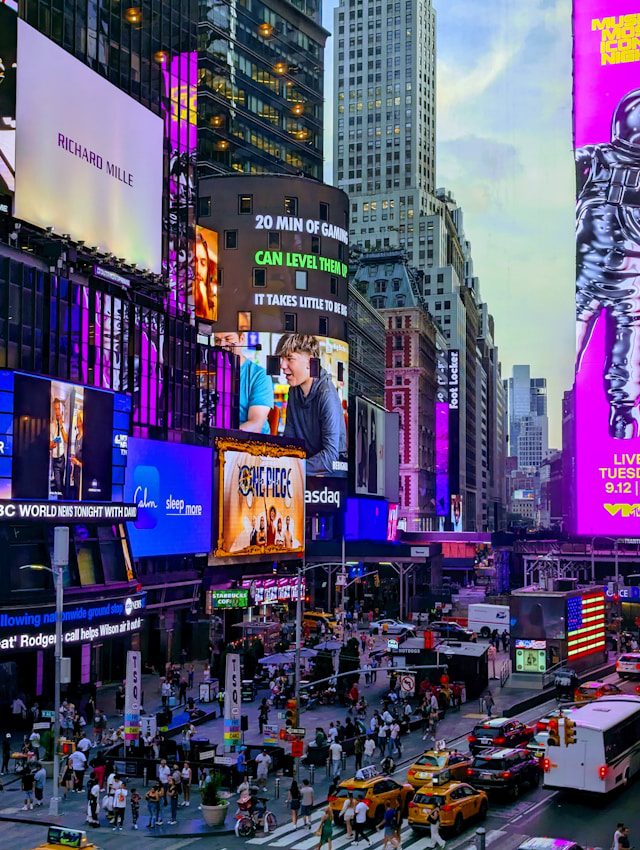
As New York City prepares for the 2026 New Year’s Eve celebration in Times Square, weather forecasts show temperatures dipping sharply, potentially making this one of the coldest ball drops since 2017. Meteorologists project that temperatures will gradually fall throughout the evening, settling near 30 degrees Fahrenheit at midnight, significantly lower than recent years and well below the average for the holiday in Manhattan’s Midtown district.
Forecasters caution that the official temperature may not fully reflect how it feels outdoors. Brisk winds gusting around 10–15 miles per hour through the city’s concrete canyons could make temperatures feel closer to the teens or low 20s. This wind chill effect, combined with dry winter air, is expected to create a biting cold for revelers who plan to watch the ball drop in person.
Arctic Air and Regional Conditions
The frigid conditions expected in New York City are part of a broader pattern of Arctic air moving into the Northeast and much of the eastern United States. Weather models show this cold front spreading across the northern states, suppressing temperatures well below normal in the days leading up to and following New Year’s Eve. In parts of the Midwest and Great Lakes, snow showers and gusty winds could make travel hazardous on major roadways during peak holiday travel.
In New York City, weather data indicate that light flurries may accompany the celebrations, offering a wintry contrast to the confetti and festivities. Though snow accumulation around Times Square itself is expected to be minimal, travelers coming from northern or western regions are likely to encounter snowfall, slick roads, and diminished visibility on interstates and major travel routes.
Historic Context and Comparisons
While temperatures near 30 degrees at midnight may not break records, they could mark the coldest Times Square celebration since the winter spanning late 2017 into early 2018. That year saw temperatures plummet to single digits at midnight, making it one of the chilliest ball drops on record. Historical data from the National Weather Service show that the coldest-ever Times Square New Year’s Eve occurred in 1917 with a temperature of just 1 degree Fahrenheit, and the second-coldest in 2017–18 reached about 9 degrees at midnight.
What Attendees Should Expect
Organizers of the Times Square event recommend that anyone planning to attend in person dress in layers and prepare for sustained cold. Heavy coats, hats, gloves, and scarves will be essential for comfort as temperatures drop throughout the evening. In addition to the numerical forecast, weather forecasters emphasize the impact of RealFeel® temperatures, which account for wind and humidity and are expected to make the night feel significantly colder than the official reading.
Light snowflakes may drift through the crowd late Wednesday night, adding a seasonal element to the celebration. However, significant snow accumulation in Manhattan is not anticipated. Elsewhere in the Northeast, conditions could be more dynamic, including localized flurries or brief heavier snowfall in parts of Connecticut and surrounding states. Forecasts also suggest that winds could remain steady, contributing to the chill and underscoring the need for protective clothing and precautions against cold stress.
Travel and Public Safety Concerns
The broader cold pattern extends travel challenges across a large swath of the country. Snow showers and wintry mix conditions could affect road travel in the Midwest, Great Lakes, and Appalachian regions during peak holiday traffic. Even outside New York City, drivers should expect slick surfaces and variable conditions, especially where lake-effect snow bands form and linger. Meteorologists urge travelers to monitor conditions closely and to prepare for possible delays or hazardous driving.
In the city itself, officials will likely maintain heightened attention to weather impacts on large crowds. Cold exposure and extended time outdoors can raise concerns about hypothermia and frostbite, particularly for vulnerable individuals and those who arrive early to secure viewing spots. Street closures and crowd control measures, already part of the Times Square celebration, will intersect with weather advisories to shape the public safety response.
Addressing Forecast Uncertainties
While current predictions point toward notably cold conditions, meteorologists stress that forecast models may adjust as New Year’s Eve approaches. Temperature trends, wind patterns, and precipitation timing can shift, especially with complex interactions between Arctic air masses and regional systems. Snow development, in particular, is subject to variation based on subtle changes in storm tracks and atmospheric moisture.
Weather experts will continue refining projections in the lead-up to midnight, and updates from the National Weather Service will offer the most current advisories on wind chill warnings, snow chances, and safety recommendations for outdoor celebrations. Attendees and travelers are encouraged to check the latest forecasts and prepare for a range of conditions.
A Chilly Welcome to 2026
As Times Square once again welcomes tens of thousands of visitors to usher in the new year, many of those gathered will do so under sharply cold skies. The forecast paints a picture of winter’s edge as revelers ring in 2026, with temperatures that recall earlier, frigid celebrations. Though not unprecedented, the cold serves as a reminder of the seasonal extremes that can accompany this iconic event and the importance of readiness for those choosing to brave the elements for this annual tradition.
