

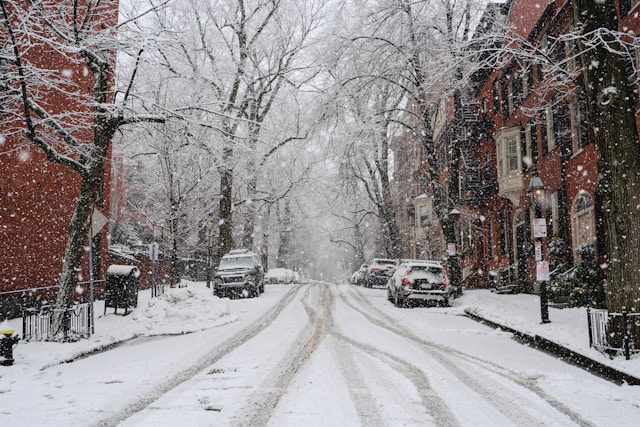
Winter in Upstate New York is famously harsh. Snowfall can exceed 100 inches in some areas, temperatures often plunge well below freezing, and ice storms and blizzards are a regular feature of the seasonal calendar. These conditions shape life in the region in ways that go beyond personal inconvenience – they have profound implications for infrastructure planning, public safety, and economic resilience. Roads, bridges, water systems, and public buildings are all affected, requiring engineers, municipal planners, and state agencies to design with winter’s challenges in mind.
Understanding how winter weather influences infrastructure here illuminates not only the complexity of public planning but also the innovative strategies the region employs to remain functional and safe year-round.
The Unique Winter Challenges of Upstate New York
New York’s geography intensifies winter’s impact:
Lake-Effect Snow: Communities near the Great Lakes, including Buffalo and Rochester, experience heavy snowfall caused by cold air moving over warmer lake waters. This can produce rapid accumulations of snow, sometimes several feet in a single storm.
Temperature Extremes: Central and northern Upstate often see prolonged periods below freezing, which stress road surfaces, bridges, and pipelines.
Ice Storms and Sleet: Ice accumulation on roads and power lines creates dangerous conditions, leading to power outages and transportation hazards.
Topography: Mountainous regions such as the Adirondacks and Catskills amplify snowfall and complicate road maintenance due to steep grades and limited accessibility.
These factors make winter a critical consideration in infrastructure design, maintenance, and emergency planning.
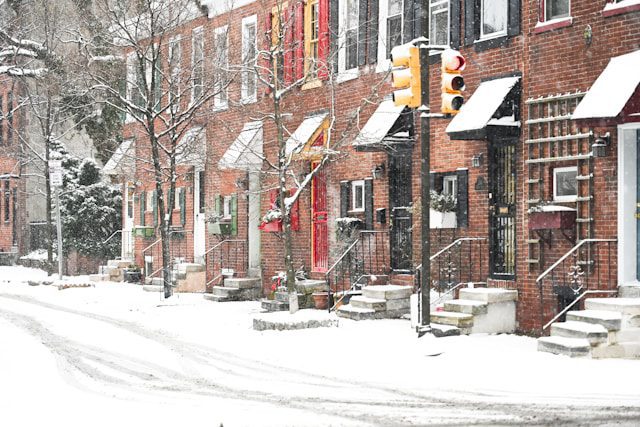
Roads and Highways
Road maintenance in Upstate New York is a year-round concern, but winter presents specific challenges:
Freeze-thaw cycles cause potholes, cracking, and deterioration of asphalt and concrete surfaces. Engineers select materials that can withstand repeated cycles of expansion and contraction. Polymer-modified asphalt and reinforced concrete are common in high-traffic areas.
State DOTs prioritize major highways and arterial routes, but smaller rural roads rely heavily on local municipalities. Strategies include:
- Pre-treatment with brine solutions or sand.
- Coordinated snowplow schedules, often running 24/7 during major storms.
- Use of GPS-tracked plows for efficient coverage.
Infrastructure planning increasingly includes guardrails, reflective markers, and improved signage, especially on curves and bridges prone to black ice.
Bridges and Structural Design
Bridges face unique winter stressors. De-icing salts are essential for safety but accelerate corrosion of steel and concrete. Bridge engineers incorporate protective coatings and corrosion-resistant materials to extend lifespan.
Temperature swings require expansion joints and flexible materials to prevent structural failure. Snow accumulation adds weight; designers factor in maximum snow load scenarios to ensure bridges remain safe during extreme storms.
Utilities and Public Services
Winter weather also affects water, electricity, and emergency services:
Water and Sewer Systems: Freezing temperatures can rupture pipes. Planners mitigate this by:
- Installing pipes below the frost line.
- Using insulation or heat-tracing systems in exposed areas.
- Designing stormwater systems to prevent ice blockages.
Power Infrastructure: Ice and snow on power lines often cause outages. Municipalities invest in tree-trimming programs, underground lines where feasible, and backup generation for critical facilities.
Emergency Services: Ambulances, fire trucks, and police vehicles must be prepared for snow-covered and icy roads, requiring specialized tires and regional coordination during storms.
Winter-Resilient Urban Planning
Cities and towns across Upstate New York adapt to harsh winter conditions through deliberate and climate-aware urban design. In some downtown areas, such as parts of Albany, heated sidewalks are used to reduce snow and ice accumulation, improving pedestrian safety and maintaining foot traffic during winter months.
Public transit systems are also designed with winter resilience in mind, with bus routes and schedules adjusted for snow-prone corridors and infrastructure built to withstand prolonged cold. Buffalo’s Metro Rail system, for example, incorporates heated switches and tracks in critical locations to maintain reliability during heavy snowfall. Municipal planning also accounts for the practical realities of snow removal, with designated snow storage areas along streets and in public spaces to prevent plowed snow from obstructing traffic lanes, parking access, and emergency routes.
Rural Considerations
In rural counties, winter infrastructure challenges differ from urban centers:
Limited Access Roads: Some roads are serviced infrequently, requiring local officials and residents to plan ahead for accessibility during storms.
Farm Infrastructure: Barns, silos, and farm roads must be reinforced to handle snow loads and icy conditions. Ice-covered fields can affect livestock access and feed distribution.
Communication Networks: Cell towers, internet, and emergency communication rely on winterized power and backup systems, particularly in sparsely populated areas.
Innovative Approaches and Technology
New York’s municipalities are increasingly turning to technology to manage winter infrastructure more effectively and reduce the costs and risks associated with severe weather.
The New York Department of Transportation now rely on predictive analytics and advanced weather modeling to anticipate snowfall patterns, allowing plows and road crews to be deployed more efficiently and proactively. At the same time, IoT-enabled sensors are being installed on roads, bridges, and water systems to monitor conditions such as ice formation, salt concentration, and structural stress in real time, improving both maintenance decisions and public safety.
Many communities are also investing in green infrastructure solutions, including permeable pavement and vegetated swales, which help manage snowmelt and stormwater, reduce ice hazards, and minimize long-term water damage to streets and surrounding infrastructure.
Climate Change Impacts
Winter planning in Upstate New York must also consider changing climate patterns:
Shifts in Snowfall Patterns: Some areas see more frequent heavy snow events while others experience warmer winters with freeze-thaw cycles that damage infrastructure differently.
Extreme Storm Preparedness: Flooding from early snowmelt or winter rain events stresses roads and bridges, requiring adaptive design.
Long-Term Resilience: Infrastructure projects now often include climate-adaptive planning, considering both current winter challenges and projections for future decades.
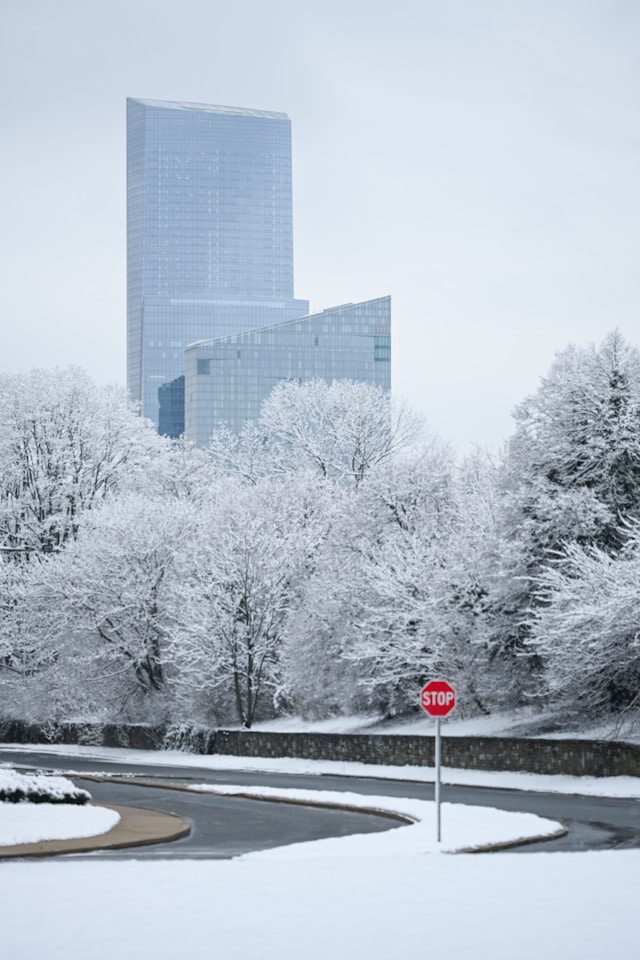
Economic Implications
The impact of winter on infrastructure is not just operational—it affects the regional economy:
Transportation Costs: Snow removal and road repairs are significant budget items for counties and cities. For example, Erie County spends tens of millions annually on winter road maintenance.
Business Continuity: Delays in transportation, power outages, and school closures affect productivity in cities like Rochester and Syracuse, as well as rural communities reliant on agriculture and manufacturing.
Tourism: Ski resorts, snowmobile trails, and winter recreation attract visitors, but infrastructure must support safe access, lodging, and emergency response.
Community Preparedness
Infrastructure planning in Upstate communities also extends beyond physical systems to include strong community engagement and coordination. Public awareness campaigns play a key role in keeping residents informed about snow emergencies, road closures, and winter safety protocols, helping communities respond more effectively during severe weather.
In many rural areas, volunteer programs provide essential support during storms by assisting with tasks such as clearing driveways, checking on vulnerable residents, and delivering food or medical supplies. At the same time, coordination between municipalities, schools, hospitals, and local businesses helps ensure that critical services remain operational, even during prolonged or extreme winter events.
Winter Readiness in Upstate New York
Winter weather in Upstate New York is more than a seasonal inconvenience, it is a driver of infrastructure planning, economic strategy, and community resilience. From heavily trafficked highways to rural county roads, bridges, public utilities, and pedestrian pathways, planners must consider snow, ice, and freezing temperatures in every design decision.
Advances in technology, climate-aware planning, and collaborative community efforts are helping the region adapt to increasingly unpredictable winters. By understanding the local challenges of winter weather, municipalities can maintain safety, reduce economic disruption, and ensure that Upstate New York remains vibrant and functional year-round, even when the snow flies in abundance.
