

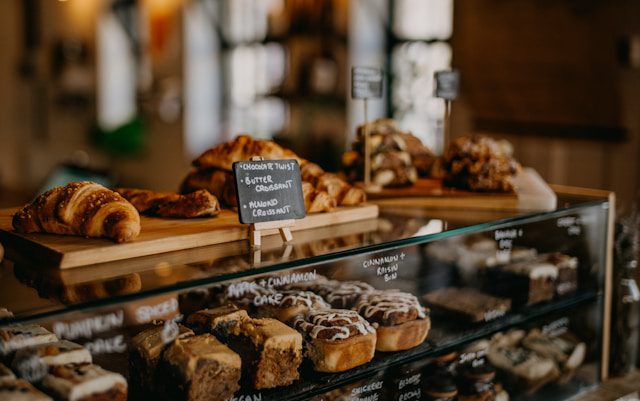
Chrissy and Ben Salif Traore built their bakery, See & Be Kitchen, in Cairo, New York, after leaving New York City in search of a more community-oriented lifestyle. The couple purchased an 11-acre property about 40 miles northwest of Albany with limited capital and began selling their baked goods at farmers markets and through porch pickups before opening a small café in 2019. Their early success revealed a practical challenge: rapid business growth outpaced the physical space available for production.
Shipping Containers as a Strategic Expansion Tool
Faced with long lead times and high costs for traditional construction, Chrissy drew on her experience with shipping-container markets in New York City and proposed using repurposed containers to expand the bakery’s footprint. The first container, a standard 40-foot unit, cost roughly $6,000 plus additional insulation and labor. Later, the couple upgraded to insulated “reefer” containers, units originally designed for refrigerated shipping, because they provided a more suitable environment for food production.
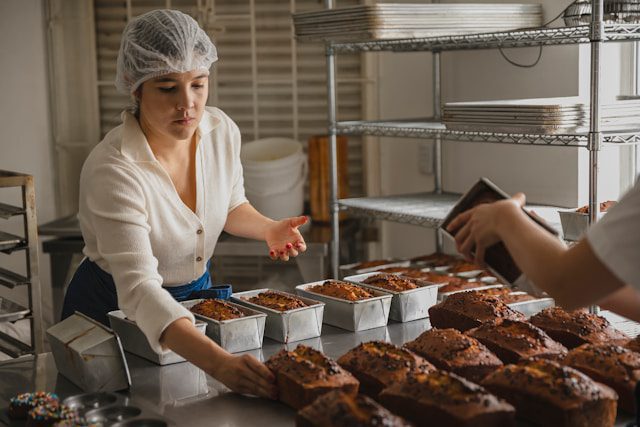
Installing and outfitting these units was notably faster than waiting for new construction to be permitted and built. The process of acquiring, preparing, and connecting a container often took only a few weeks, helping See & Be keep pace with demand. Additional containers brought total expenses of roughly $7,500 to $15,000 each, including delivery and installation costs. The structures now house functional workspaces complete with plumbing and electrical connections, demonstrating that the unconventional setup can meet professional kitchen standards despite its nontraditional look.
Practical Benefits and Public Perception
Visitors to the bakery often express surprise when they realize that the container units are fully operational spaces rather than decorative facades. The interior environment functions much like a conventional bakery kitchen, with equipment and facilities arranged to support daily operations. While initially surprising to some customers, the practicality and performance of the containers underscore the potential for modular structures in small business settings.
Modularity Meets Small Business Needs
The Traores’ experience highlights a broader trend in small-scale commercial ventures: businesses increasingly seek flexible, affordable ways to grow without incurring the cost and regulatory delays tied to traditional construction. Shipping containers have become popular in other sectors because they offer rapid deployment and adaptability to different functions.
For food entrepreneurs in particular, modular spaces can provide a bridge between informal selling venues (like markets and pop-ups) and fully built-out commercial kitchens. However, limitations remain. Container conversions require careful attention to insulation, drainage, and utilities to meet health and safety standards. They also may face zoning restrictions or regulatory scrutiny in some locations, factors not detailed in the Traores’ account but relevant for replication elsewhere.
Uncertainties and Broader Implications
How local health authorities categorize container kitchens and whether permits are easier, harder, or equivalent to traditional spaces fluctuates. Costs will vary depending on site conditions and contractor availability. Entrepreneurs considering similar approaches should budget for variability.
The Traores’ story illustrates one way that small businesses are adapting to resource constraints and growth pressures. Their approach underscores the value of flexibility and resourcefulness in rural entrepreneurship, offering a case study in how alternative structures can help food businesses grow while maintaining financial viability.
