

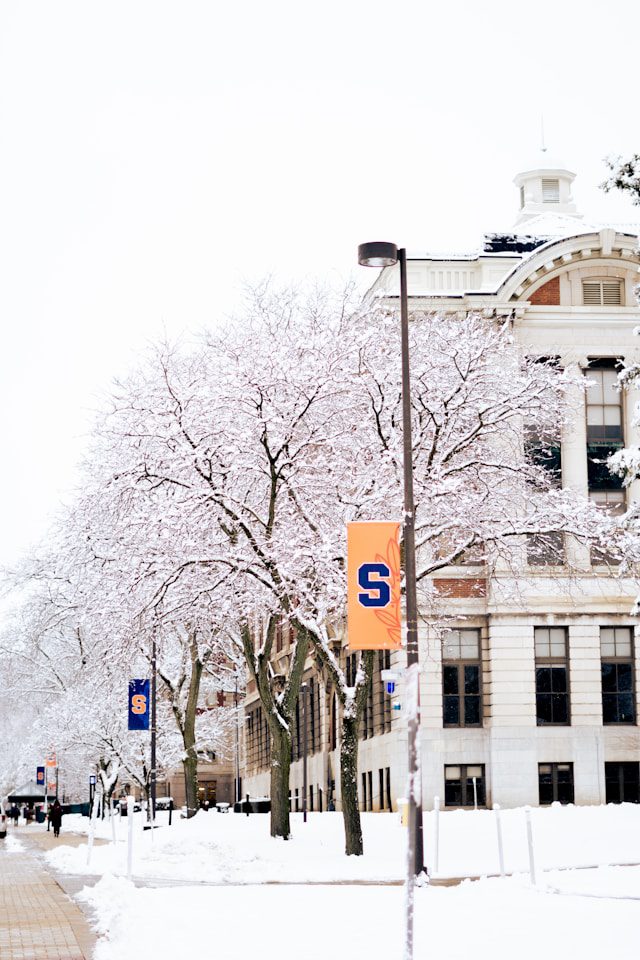
A proposal to convert a downtown Syracuse building into a Hampton Inn hotel has advanced, but it faces a potential obstacle as city boards deliberate designations that could affect the project’s trajectory. The plan has drawn attention as part of broader downtown revitalization efforts, even as neighbors and preservation officials weigh in on how new development should be integrated with historic surroundings.
The building at the center of the plan has drawn interest from developers looking to expand hospitality options in Syracuse’s core. As older hotels in the city have closed or been repurposed, demand for new rooms has grown. Local observers have noted that downtown lost dozens of hotel rooms in recent years due to conversions to residential use and the shuttering of legacy properties, a trend that some business leaders and civic officials view as a hurdle for attracting conventions and large events.
The Hampton Inn Proposal and Preservation Review
Developers pursuing the Hampton Inn conversion are seeking approval from the Syracuse Landmark Preservation Board, a body responsible for determining whether buildings have historic significance or merit protections that can influence renovation plans. In this case, the board is considering a potential historic designation that opponents argue could complicate or slow the hotel project.
Supporters of the project argue that a new Hampton Inn would help fill a gap in downtown’s hospitality infrastructure, offering additional room capacity and contributing to economic activity, especially as Syracuse aims to attract more conventions and tourists. The city’s existing hotel stock includes historic properties like the Marriott Syracuse Downtown, formerly the Hotel Syracuse, and other unique accommodations such as the LEED-certified Hotel Skyler near Syracuse University.
Critics of a preservation designation contend that imposing restrictions on the building could delay construction, increase costs, and deter investment at a time when downtown is seeking momentum after years of economic shifts. They assert that additional hotel capacity could support local jobs and broader revitalization goals.
Downtown Hotel Market Pressures
Syracuse’s hospitality landscape has undergone significant change in recent years. Several major hotels have closed or been repurposed, reducing the number of available rooms and raising concerns among business and development leaders about the city’s ability to compete for group travel and conventions. Reddit discussions from local community members highlight perceptions that the city is roughly “down more than 500 guest rooms” due to closures and conversions, a pattern that has drawn broader interest in new hotel projects.
Historic properties such as the Marriott Syracuse Downtown, restored in 2016 and part of the Historic Hotels of America program, demonstrate the city’s ability to blend heritage with modern hospitality offerings. However, gaps remain in the mid-range hotel segment, where a Hampton Inn could serve visitors seeking nationally recognized brand standards and predictability.
Implications for Development and Preservation Policies
The discussion around the Hampton Inn plan reflects a broader tension between economic development and preservation priorities in Syracuse. Downtown development advocates emphasize the need for new lodging options to support events, tourism, and business travel. Preservation advocates, however, caution that historic contexts contribute to the city’s identity and should not be jeopardized without careful review.
As the Landmark Preservation Board evaluates potential designation criteria, questions remain about how such decisions may influence not only the Hampton Inn proposal but future redevelopment projects. Preservation board actions can affect permitting timelines, architectural requirements, and financing opportunities, particularly for buildings in historic districts or those with significant architectural heritage.
The balance between encouraging investment and protecting historic character illustrates a challenge faced by many mid-sized American cities: fostering economic growth while maintaining cultural assets that distinguish urban cores. The outcome of Syracuse’s review could shape downtown’s development path in the coming years.
Remaining Uncertainties and Next Steps
Several aspects of the Hampton Inn proposal remain unresolved or unclear. Official statements from Syracuse planning authorities and developers have not been fully published in public reporting, leaving some details, such as projected construction timelines, financing arrangements, and community mitigation measures, uncertain. Results from the preservation board’s evaluation could significantly affect the project’s scope and design, but those deliberations have not concluded as of this writing.
There is also limited publicly available information on how the hotel proposal intersects with other downtown initiatives, such as Syracuse University’s plans for campus-area hospitality or broader economic development strategies aimed at revitalizing retail and cultural destinations near the city center. While separate, these initiatives collectively inform the context in which the Hampton Inn plan unfolds.
Broader Significance for Syracuse’s Urban Renewal
The debate over a single hotel project underscores larger efforts to enhance downtown Syracuse’s appeal to residents, visitors, and investors. As aging infrastructure meets renewed interest in urban living and economic diversification, city leaders and stakeholders face choices with long-term implications.
Supporting new hospitality projects could strengthen Syracuse’s competitive position for events and conventions, generating hotel taxes and secondary spending at restaurants, shops, and entertainment venues. However, community input and strategic planning will continue to influence how growth aligns with neighborhood priorities and historic preservation goals. At stake is not only the design of a new hotel but the broader direction of downtown’s evolution as a center of commerce and culture.
