

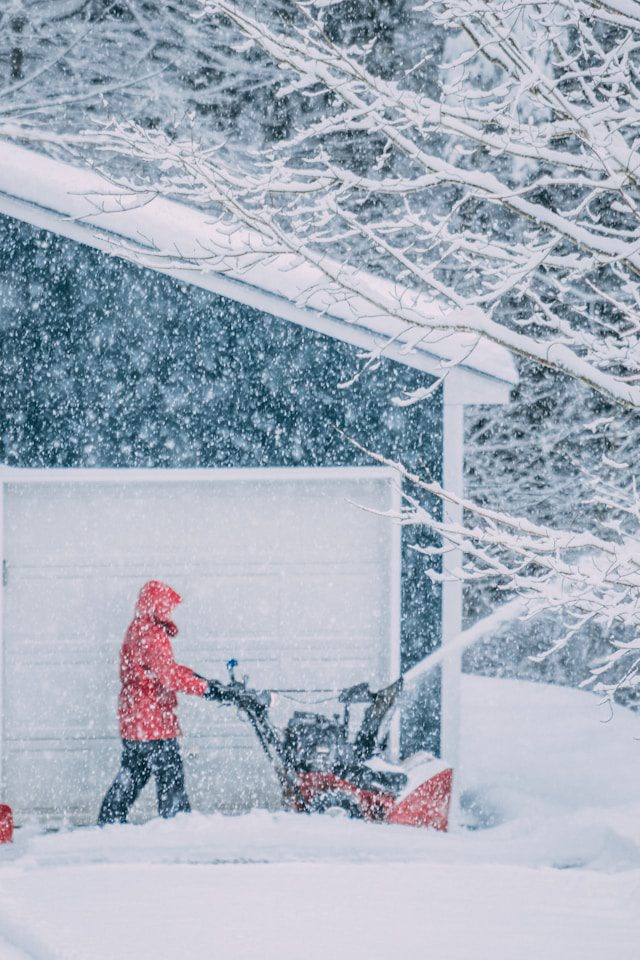
Parts of Upstate New York have experienced extraordinary snowfall this winter, with cumulative totals in some communities surpassing 13 feet. The heavy accumulation has disrupted daily life, buried homes and vehicles, and contributed to widespread school closures and travel challenges across the region. Snow totals reported in several cities have smashed recent seasonal records and underscore the severity of winter 2026 in New York’s interior.
Cattaraugus, a village in southwestern New York, leads the state with roughly 162 inches (13.5 feet) of snow so far this season. Nearby Mexico has recorded about 136 inches, while larger cities like Syracuse and Oswego have seen over 100 inches. These figures far exceed typical winter accumulations in much of the Northeast.
Widespread Snowfall and the Golden Snowball Contest
Seasonal snow totals in Upstate New York also influence an informal competition known as the Golden Snowball, which tracks snowfall among major cities. Syracuse currently holds an early lead in that contest with more than 113 inches this winter, exceeding totals reported in Rochester, Buffalo, Binghamton, and Albany. These comparisons illustrate the uneven but significant snowfall across central and western portions of the state.
Even outside the top-ranked communities, snow totals this season have been exceptional. Other Upstate areas have reported frequent multi-inch daily accumulations from lake-effect snow bands — intense showers formed when cold air moves over the warmer waters of Lake Erie and Lake Ontario — a recurring meteorological feature that often produces localized heavy snow. Historical reporting on storm events earlier in the season confirms sustained lake-effect activity across the region, contributing to the larger seasonal totals.
Impact on Daily Life and Safety Concerns
The sheer volume of snow has had concrete impacts for residents. Frequent school closures, delays, and extended travel advisories have already been issued, with chilly conditions accompanying the accumulation. Local school districts have adjusted schedules repeatedly to account for hazardous road conditions and continued plowing efforts.
In addition to transportation and schooling disruptions, the prolonged snow cover presents ongoing safety and infrastructure challenges. Heavy roofs, piles of snow along roadways, and blocked driveways complicate movement and increase the risk of structural stress and accidents. Emergency services in some communities have reported higher call volumes related to winter-weather hazards.
Despite a forecast suggesting some relief, meteorologists warn that extremely cold temperatures and intermittent flurries are expected to persist. A forecast for upcoming dry but bitterly cold days highlights the dual challenge faced by residents: deep snowpack with dangerously low temperatures.
Question of Climate vs. Season
The article includes commentary from locals and observers debating the broader significance of the extreme snowfall. Some residents describe the winter as “unforgettable” in its severity, prompting comparisons with well-remembered historical storms. Others question whether these conditions reflect short-term variability or longer-term shifts in winter weather patterns.
Experts agree that lake-effect snow events and seasonal intensity can vary widely from year to year. While individual storms or seasons with heavy accumulation do not alone prove long-term climate trends, meteorologists note that low temperatures over the lakes and specific atmospheric patterns can support exceptional snow totals in any given winter. Longitudinal climate data and peer-reviewed research are essential for distinguishing between natural variability and influences from broader climate dynamics; such detailed analyses were not provided in the article.
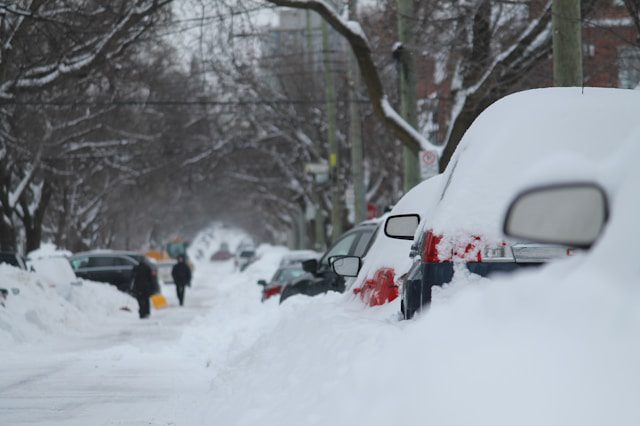
Regional Snow Dynamics and Comparisons
Upstate New York’s snowfall differs significantly from conditions in downstate and coastal areas of the state. In contrast to interior communities that have seen feet of snow, cities such as New York City and the Hudson Valley have experienced more modest accumulations from winter storms. Recent regional reports note major storms delivering a foot or more of snow north of the metro area while coastal locations received far less by comparison.
This stark contrast highlights how geography and meteorology influence impacts across New York. Lake-effect snow is unique to areas downwind of the Great Lakes, where cold air passing over open water can generate bands of intense snowfall. These patterns can result in dramatic local differences over short distances, a hallmark of Upstate winter weather.
Data Gaps and Reporting Limitations
Some limitations in the available data should be noted. The article’s snowfall figures are based on accumulated totals reported by local observers and weather stations, but it is not clear how frequently these measurements are updated or how they compare with official National Weather Service records. There is also limited information on impacts beyond snow totals, such as economic costs, interruptions to utilities, or health outcomes linked to the prolonged winter conditions.
Comprehensive statewide reporting from meteorological agencies or emergency management offices would help quantify the broader effects of this winter event on transportation systems, public safety, and local economies. At present, much of the narrative is anecdotal or based on snapshot totals rather than longitudinal environmental metrics.
Outlook for the Rest of Winter
As Upstate communities continue to navigate this unusually active snow season, forecasters have signaled a temporary shift to drier air and persistently cold temperatures. These conditions may allow snow removal efforts to progress more efficiently but will maintain hazards associated with deep snow cover and icy surfaces.
Residents are encouraged to prepare for ongoing winter conditions, clear snow from critical structures such as roofs and hydrants, and monitor local weather advisories as conditions remain unpredictable. The contrast between communities buried in snow and those with seasonal norms underscores the wide diversity of New York’s winter experiences.
