

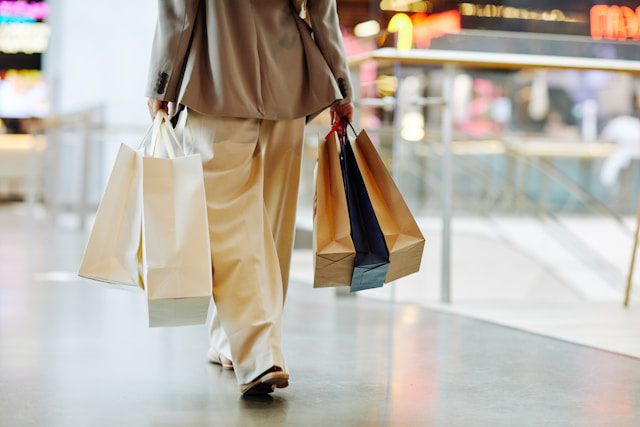
Consumer spending is one of the clearest indicators of regional economic health. In Upstate New York, spending patterns have shifted meaningfully over the past several years, influenced by inflation, remote work, housing dynamics, and sector-specific growth. While the region has historically operated in the shadow of New York City’s economic dominance, cities across Upstate NY are carving out distinct consumer and business identities.
Understanding consumer spending trends in Upstate NY cities requires examining not only retail data but also broader demographic and economic forces. Cities such as Buffalo, Rochester, Syracuse, and Albany each reflect unique spending dynamics shaped by industry composition, income growth, and population shifts.
The result is a region in transition. Spending is growing in certain categories, contracting in others, and evolving in response to both national trends and local economic development.
The Post-Pandemic Spending Rebound
Like much of the country, Upstate New York experienced a sharp contraction in consumer spending during the height of the COVID-19 pandemic. Retail closures, travel restrictions, and supply chain disruptions constrained activity. However, the rebound phase revealed structural changes rather than a simple return to pre-2020 patterns.
Stimulus payments and pent-up demand initially fueled increases in discretionary spending. Households redirected funds toward home improvement, durable goods, and local services. As inflation accelerated, however, spending shifted again. Consumers became more price sensitive, prioritizing essentials such as groceries, utilities, and housing.
Upstate cities benefited from relative affordability compared to major metropolitan areas. Housing prices in Buffalo and Rochester, while rising, remained significantly lower than downstate markets. This affordability supported stable household consumption even amid broader economic uncertainty.
Buffalo: Cross-Border Influence and Revitalization
Buffalo’s consumer spending trends reflect both local revitalization efforts and its geographic proximity to Canada. As the largest city in Western New York, Buffalo has experienced downtown redevelopment, waterfront investment, and renewed small business growth.
Spending in hospitality and dining has increased alongside tourism recovery, particularly in areas near the waterfront and entertainment districts. Cross-border shopping activity, which fluctuated during pandemic restrictions, also influences retail performance. When border travel is fluid, Canadian visitors contribute meaningfully to local spending in malls and outlet centers.
Housing investment has also stimulated related spending categories. Home renovations, furnishings, and construction services have seen sustained demand. Buffalo’s relatively affordable real estate has attracted remote workers seeking lower cost of living, indirectly boosting local retail and service sectors.
However, inflation has moderated discretionary spending growth. Consumers are balancing entertainment and dining with rising food and energy costs. As a result, value-oriented retailers and discount chains have gained traction in the region.
Rochester: Healthcare and Education as Spending Anchors
Rochester’s consumer economy is shaped heavily by its healthcare and higher education institutions. Anchored by employers such as University of Rochester and Rochester Institute of Technology, the city benefits from relatively stable employment in education and medical services.
This institutional stability supports consistent consumer demand in housing, dining, and retail. Students and faculty contribute to rental market strength, while healthcare employment generates middle-income spending power.
Recent years have seen increased consumer interest in experiential spending, including entertainment venues, breweries, and cultural events. Neighborhood revitalization projects have encouraged small business growth, especially in mixed-use districts.
At the same time, traditional retail centers have faced challenges from e-commerce competition. Like many mid-sized cities, Rochester has experienced mall vacancies and store consolidations. However, adaptive reuse projects and local entrepreneurship have partially offset these pressures.

Syracuse: Technology Investment and Infrastructure Growth
Syracuse has gained attention due to major technology and semiconductor investments announced in Central New York. Large-scale infrastructure and manufacturing projects promise long-term employment growth, which in turn influences consumer spending patterns.
As job prospects improve, housing demand has increased, stimulating spending in construction, renovation, and home goods. Retail corridors have seen incremental growth, and new service businesses are emerging to meet expanding population needs.
Consumer spending in Syracuse reflects cautious optimism. While income growth supports retail and dining activity, households remain mindful of inflation and economic volatility. Spending on necessities continues to dominate budgets, but gradual diversification into lifestyle and entertainment categories suggests confidence in regional growth.
Public infrastructure improvements have also encouraged commercial development. As transportation and broadband capacity improve, business expansion becomes more feasible, creating a reinforcing cycle between employment and consumer demand.
Albany: Government Stability and Professional Services
As the state capital, Albany benefits from stable public sector employment. Government jobs provide consistent income streams that support steady consumer spending even during broader economic downturns.
Professional services, legal firms, and lobbying organizations contribute to relatively higher average wages compared to some other Upstate cities. This income stability translates into resilient spending in dining, housing, and retail.
Albany’s proximity to suburban communities also shapes spending patterns. Many consumers split activity between urban centers and suburban shopping districts. Mixed-use development and downtown revitalization efforts aim to retain more discretionary spending within the city core.
Inflation has affected Albany households similarly to other Upstate areas, increasing spending on utilities and housing. However, steady employment has mitigated severe contractions in discretionary categories.
Shifting Retail Landscapes
Across Upstate cities, retail transformation remains a central theme. E-commerce adoption accelerated during the pandemic and has remained elevated. Consumers now expect omnichannel experiences, including curbside pickup and digital ordering.
Brick-and-mortar stores are adapting by emphasizing experiential retail, personalized service, and local branding. Independent businesses have gained renewed support as communities prioritize local economic resilience.
Grocery spending has increased due to food inflation, but shoppers are demonstrating heightened price sensitivity. Discount grocers and warehouse clubs have seen steady traffic. Meanwhile, higher-end specialty retailers face more volatile demand.
Dining and hospitality sectors continue to recover, though labor shortages and rising costs challenge margins. Restaurants increasingly rely on digital ordering platforms and delivery services to maintain volume.
Housing and Consumer Confidence
Housing plays a significant role in shaping consumer spending trends in Upstate NY cities. Rising home values have created a modest wealth effect for homeowners, encouraging spending on renovation and furnishings. At the same time, higher interest rates have cooled new home purchases, moderating related spending growth.
Rental markets remain competitive in cities with strong institutional anchors, particularly Rochester and Albany. Stable occupancy supports consistent local consumption in neighborhood retail and services.
Consumer confidence fluctuates alongside national economic indicators. While Upstate NY has not experienced the extreme volatility of larger metropolitan regions, economic uncertainty influences discretionary purchases. Households are prioritizing financial stability, often increasing savings during periods of uncertainty.
Migration and Remote Work Influence
Remote work has reshaped migration patterns, benefiting parts of Upstate New York. Lower housing costs and access to natural amenities attract professionals seeking affordability without sacrificing connectivity.
This migration introduces new income streams into local economies. Remote workers employed by out-of-state firms often bring higher salaries relative to regional averages, stimulating spending in housing, dining, and recreation.
However, migration trends remain uneven. Some areas experience modest population gains, while others face stagnation. The net effect on consumer spending varies accordingly.

The Broader Economic Outlook
Looking ahead, consumer spending trends in Upstate NY cities will likely reflect a balance between cautious household budgeting and targeted growth in high-opportunity sectors. Semiconductor investments in Syracuse, healthcare expansion in Rochester, revitalization efforts in Buffalo, and public sector stability in Albany provide diversified economic foundations.
Inflationary pressures may ease over time, but structural shifts toward digital commerce and value-oriented purchasing behavior are likely to persist. Local businesses that adapt to these trends through technology integration and customer experience enhancement will be best positioned to thrive.
Regional economic development initiatives will also play a role. Infrastructure upgrades, workforce development programs, and business incentives can stimulate job creation, which directly influences household spending capacity.
Evolving Consumer Spending Patterns Across Upstate NY Cities
Consumer spending trends in Upstate NY cities reveal a region evolving rather than stagnating. While challenges such as inflation, retail transformation, and demographic shifts persist, underlying economic anchors provide resilience.
Buffalo’s revitalization, Rochester’s institutional stability, Syracuse’s technology-driven optimism, and Albany’s government-backed consistency each contribute to a diverse regional landscape. Spending patterns reflect both national economic currents and localized opportunity.
Ultimately, the trajectory of consumer spending in Upstate New York will depend on job growth, wage stability, housing affordability, and business adaptation. As these cities continue to redefine their economic identities, consumer behavior will remain a key indicator of progress and sustainability.
