


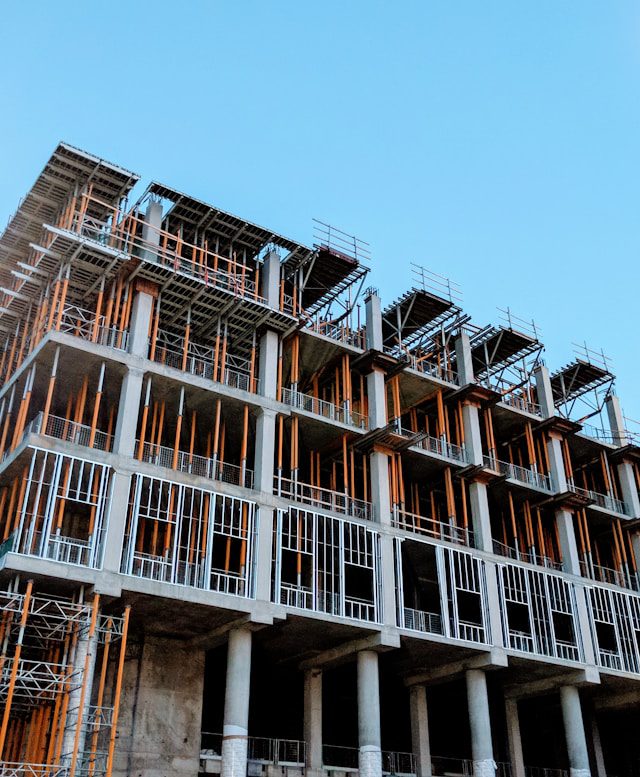
Construction of a large student housing complex in Vestal, New York, is progressing despite significant winter weather challenges. Dozens of workers remain active on the site along the Vestal Parkway, just across from the Binghamton University campus, even as snow and ice complicate efforts.
A Major Investment in Student Housing
The project, backed by a $70 million investment from New Jersey-based Aptitude Development, envisions a modern, five-story residential building designed to house 516 students. The complex, marketed as The Marshall Binghamton, is slated to open in mid-2027, adding significant off-campus capacity for students seeking accommodation near the university.
The development occupies a four-and-a-half-acre parcel acquired by the developer for $10 million in 2025. The property previously housed the Quality Inn hotel and Fuji San Japanese restaurant, which were removed to clear space for the new construction. Before demolition, several homeless families living in the hotel were relocated by Broome County housing officials to make way for the project.
Snow and Cold Present Practical Challenges
Despite the snow, bitter cold, and difficult ground conditions typical of upstate New York winters, crews have continued site preparation and structural work. There has been no indication that weather conditions had caused major delays to the schedule.
Broader Development Trend in Vestal
The Marshall project is one of several significant student housing developments underway near Binghamton University. Approximately two miles south, Landmark Properties of Georgia is constructing The Retreat at Bunn Hill, a separate community intended to house roughly 700 residents. That development is also expected to open during the next academic year, reflecting ongoing demand for modern housing tied to the university’s growth.
Community and Economic Context
The Vestal Parkway site, previously home to longstanding local businesses, has seen dramatic change as a result of this redevelopment. While the new housing complex promises to serve students and contribute to the local economy, it also replaces familiar landmarks. The transition underscores broader tensions between historic uses of community space and ongoing investment in infrastructure to support a growing academic community.
Long-Term Benefits of Expanded Student Housing
Beyond meeting immediate housing demand, large-scale student housing developments can bring lasting benefits to both universities and surrounding communities. Purpose-built student residences near campus help reduce pressure on traditional rental housing, which is often shared between students and long-term residents. By increasing the supply of dedicated student units, municipalities like Vestal may see improved availability and stabilization in nearby residential neighborhoods.
Modern housing projects also tend to include infrastructure upgrades that extend beyond their property lines. Road improvements, utilities, and pedestrian access enhancements associated with new construction can improve safety and accessibility along busy corridors such as the Vestal Parkway. These upgrades often benefit local businesses and commuters, not just residents of the development.
From an economic standpoint, student housing projects generate short-term construction jobs and long-term operational employment while contributing to the local tax base. The presence of additional students living nearby can also support retail, dining, and service businesses in the area, strengthening the commercial ecosystem around the university.
At a broader level, expanded housing capacity supports Binghamton University’s ability to attract and retain students by offering proximity, convenience, and modern amenities that align with current expectations. As enrollment patterns and housing preferences continue to evolve, developments like The Marshall Binghamton represent a strategic investment in accommodating growth while reshaping how campus-adjacent communities function.
While questions about land use, affordability, and neighborhood character remain part of the public conversation, the continued buildout of student housing reflects a long-term effort to balance academic expansion with regional economic development in Vestal and the surrounding area.
