

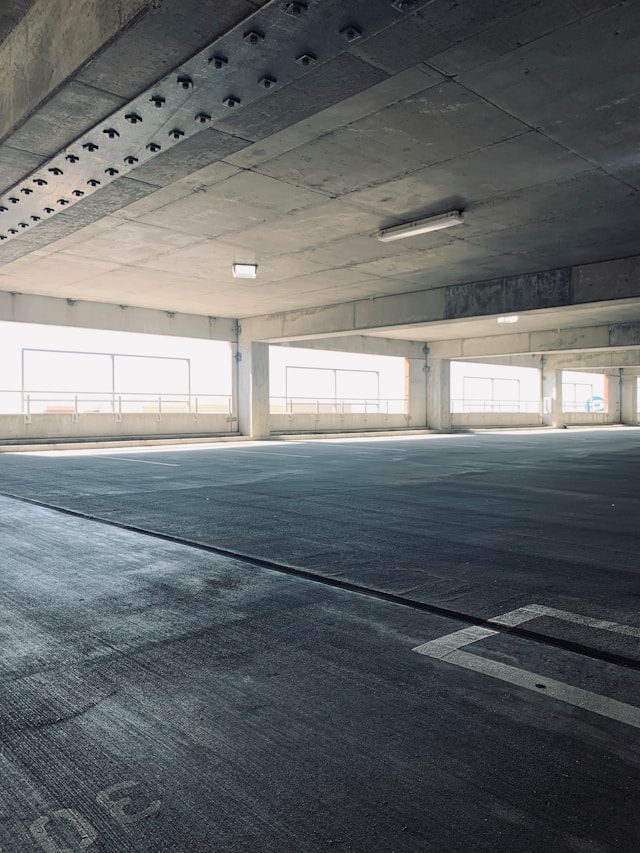
The City of Binghamton has taken a significant step toward removing a deteriorating landmark in the heart of downtown by issuing a request for bids to demolish the State Street parking garage. The 12-level structure at the corner of State and Henry streets, which stood for more than five decades, was closed on January 5, 2026, after city officials determined it was no longer safe for use. A formal solicitation for contractors to undertake the demolition will remain open until February 26 as part of the city’s efforts to address ongoing structural concerns and site redevelopment plans.
A Landmark Closure After Years of Decline
Built in 1970, the State Street garage had been a prominent feature of downtown Binghamton’s parking infrastructure but had fallen into disrepair in recent years. The city invested millions in attempts to maintain the facility, including concrete repairs, yet these measures failed to keep pace with accelerating decline. Reports of falling concrete prompted heightened monitoring and raised safety concerns, ultimately leading to the decision to shutter the garage permanently. For more than 20 years, the structure had operated without a functioning elevator, further illustrating its aging condition and escalating maintenance challenges.
With the closure confirmed in late 2025 and the facility taken out of service in early January, city officials and local stakeholders now face the task of transitioning the site from an aging concrete ramp to a new use. Plans call for converting the location into a surface parking lot once demolition is complete, though longer-term redevelopment goals remain to be fully detailed.

Public Safety and Urban Planning Considerations
The demolition bid represents a pivotal moment for downtown Binghamton’s urban planning. Removing the crumbling structure responds to legitimate safety concerns while opening up valuable real estate in a central location close to the bus station and commercial corridors. It also reflects broader trends unfolding in the city’s efforts to revitalize downtown areas, where aging buildings and shifting transportation patterns present ongoing challenges. As the project moves forward, questions remain about how the site will be used to best serve local residents and businesses after demolition is finished.
Emerging Opportunities and Next Steps
City officials have emphasized that demolition will be “a major undertaking,” highlighting the complexity and scale of the work ahead. The selection of a contractor through the bidding process will set the timeline for removal, anticipated to progress through much of 2026. While the immediate plan is a surface lot, this phase could act as an interim use while longer-term redevelopment strategies are developed, potentially tying into broader downtown revitalization initiatives underway in Binghamton.
Future planning may explore mixed-use development, increased pedestrian access, or other community-focused uses for the site, though such ideas have not yet been formally proposed. As the city solicits bids and prepares for demolition, continued public engagement and detailed planning will be essential to ensure the transition aligns with local needs and economic goals.
