

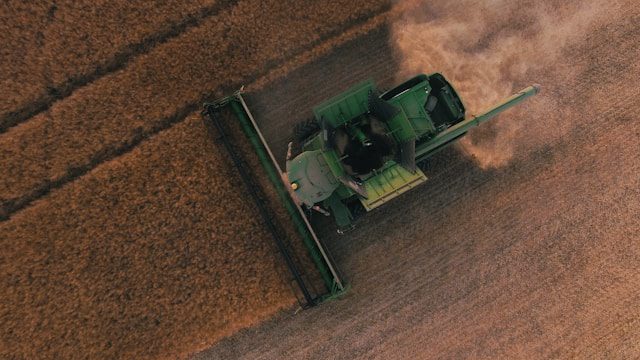
The Finger Lakes of Upstate New York is a landscape known for its deep glacial lakes and fertile soils. This area is also emerging not only as an agricultural heartland but as an incubator for technological innovation that is reshaping 21st-century farming. In a region historically rooted in dairy, vineyards, orchards, and produce, agri-tech innovation now blends century-old agricultural expertise with cutting-edge data analytics, precision farming techniques, advanced food processing, and entrepreneurial ecosystem development.
What was once a quiet agricultural community has become a vibrant hub where research, startups, and global companies converge to apply technology for increased sustainability, productivity, and economic growth.
From Research to Commercialization
At the core of the Finger Lakes’ agri-tech renaissance is a collaborative ecosystem that links academic research, industry partnerships, and business incubation. Leading this charge is Cornell Agriculture and Food Technology Park (The Technology Farm) in Geneva, a dynamic hub that translates agricultural research into real-world applications. The Tech Farm, alongside the Cornell AgriTech (formerly the NYS Agricultural Experiment Station), serves as the regional anchor for innovation, providing space, resources, and research capacity for startups, established companies, and entrepreneurs in food, beverage, and agriculture technology.
Cornell AgriTech’s research footprint is massive, spanning over 900 acres of fields, orchards, and vineyards, and it plays a critical role in advancing plant science, pest management, food processing techniques, and crop development. Over the past century, its research has produced more than 280 new plant varieties, pioneering pest control strategies, and advanced food preservation technologies that help growers and processors thrive across New York and beyond. Through its pilot plant facilities and continuous pasteurization and dehydration technologies, the Food Venture Center has helped more than 13,000 entrepreneurs launch over 20,000 food products, turning scientific discovery into market success.
The Cornell Agriculture and Food Technology Park provides not just research expertise but also commercialization pathways. On a 72-acre campus adjacent to AgriTech, its incubator (known locally as the Tech Farm) offers flexible manufacturing, lab space, and access to business services for companies transforming ideas into commercial products. In 2025, the grand opening of Tech Farm II, a 20,000-square-foot facility, doubled the park’s capacity, signaling growing demand for agri-tech incubation and small-scale manufacturing space. Companies that have graduated or currently reside at the Tech Farm span beverage producers to alternative protein manufacturers, further underscoring the region’s diversified innovation portfolio.
Precision Agriculture and Digital Tools on the Farm
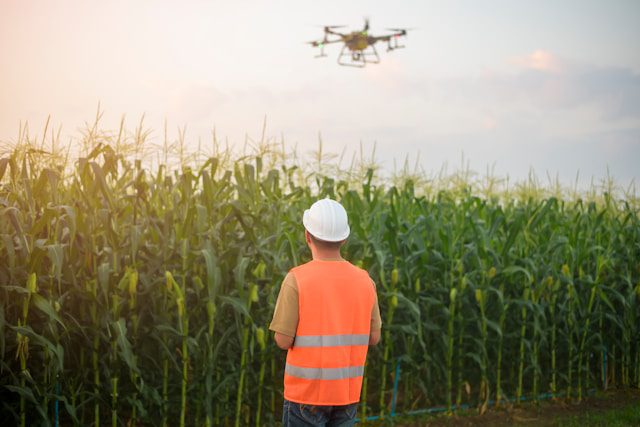
The adoption of precision agriculture in the Finger Lakes has helped farmers cope with climate variability, labor shortages, and sustainability challenges. Precision agriculture refers to technologies that collect and analyze data to improve field and livestock management practices. Tools such as sensors, machine learning algorithms, and Internet of Things (IoT) platforms are increasingly being used to make farms smarter and more efficient.
One real-world application in the region involves AI-powered vineyard monitoring systems, which have been especially impactful in the Finger Lakes’ prominent wine industry. These systems use IoT sensors distributed across vineyard parcels to monitor microclimates, soil conditions, and disease risk factors such as humidity and temperature fluctuations. Predictive analytics can forecast disease outbreaks days in advance, allowing vineyard managers to time interventions more effectively and reduce the need for broad-spectrum pesticides. In one case, a local winery saw a 22 percent increase in grape yields while reducing pesticide applications by half after adopting such technologies.
AI and advanced data analytics are also helping dairy farms optimize herd performance. By analyzing cow behavior and health patterns, these systems identify early signs of illness, enabling timely interventions that can reduce veterinary costs and improve milk yield. Customized feed formulations based on real-time data have also improved efficiency and lowered methane emissions, creating both economic and environmental value.
Perhaps the most transformational innovations lie in digital supply chain optimization. Local farms and food distributors are implementing platforms that match harvest data with restaurant and market demand in real time, dramatically reducing food waste. Dynamic pricing algorithms allocate surplus produce efficiently, and optimized routing systems lower transportation costs and emissions. These digital tools help smaller farms compete with larger producers by improving operational responsiveness and reducing overhead.
Grow-NY: A Catalyst for Entrepreneurial Agri-Tech Innovation
The Finger Lakes’ agri-tech landscape extends well beyond farm gates thanks to initiatives like the Grow-NY Food & Agriculture Competition. Grow-NY has become one of the premier agri-innovation accelerators in the United States, attracting global startup talent and investment to the region. Companies that participate in this annual competition receive mentorship, capital, and strategic partnerships that allow them to develop and commercialize disruptive technologies in food and agriculture.
Winners and finalists of Grow-NY reflect the breadth of innovation shaping the future of agri-tech. In recent years, companies developed technologies ranging from rapid point-of-care food diagnostics that detect contaminants in supply chains to optimized livestock feed inputs that reduce greenhouse gas emissions and energy consumption. Other ventures are turning agricultural byproducts into high-value supplements or transforming waste streams into new food products, showcasing how innovation can create economic value while addressing sustainability and waste reduction.
By requiring Grow-NY winners to operate within the participating regions, the program not only accelerates individual companies but also strengthens local ecosystems by retaining talent and attracting follow-on investment. These startups often collaborate with regional farms and processing facilities, linking innovation directly to production challenges and opportunities.
Conversion of Traditional Industries Through Agri-Tech Adoption
While much of the technological focus is on data and digital systems, traditional agricultural sectors in the Finger Lakes are also leveraging innovations to evolve historic practices. The region’s wine industry, long celebrated for its cool-climate grape varieties and unique terroir, is integrating sensor networks and predictive models to manage risk from frost and pests. Machine-learning frost advisories which consider weather, soil, and topography data allow growers to plan protective measures up to 72 hours in advance, protecting blossoms and preserving yield value.
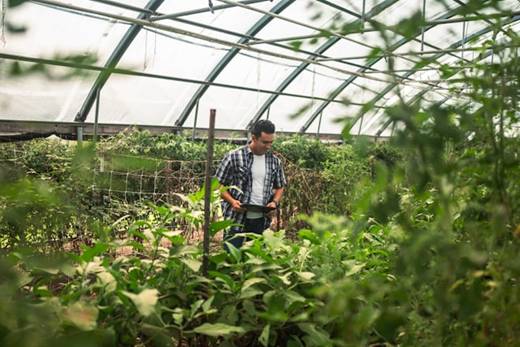
Even smaller specialty farms are finding opportunities through collaboration with innovation ecosystems. For example, organic vegetable producers and craft food manufacturers benefit from customized processing, packaging, and distribution facilities within the Tech Farm. These collaborations help smaller players enter markets that were previously accessible only to larger producers due to infrastructure barriers.
Economic and Environmental Impact
Agri-tech innovation in the Finger Lakes is creating economic and environmental benefits that ripple outward. Investments in new facilities, startups, and research partnerships generate jobs in rural communities while diversifying local economies traditionally dependent on commodity farming and tourism. The expansion of Tech Farm and similar projects brings more companies into the region, creating a cluster effect that attracts talent, capital, and supporting businesses.
On the environmental front, data-driven decision support systems help optimize resource use, reducing water consumption and chemical inputs. Predictive models that anticipate weather and disease risks lower farmers’ reliance on reactive interventions, promoting sustainability. Digital supply chain tools decrease food waste, a significant contributor to greenhouse gas emissions in global food systems.

A Vision for the Future
The Finger Lakes’ blend of agricultural heritage and innovation places it at the forefront of the agri-tech revolution. From cutting-edge research at Cornell AgriTech to real-world technology adoption on farms, and the emergence of globally competitive agri-tech startups through Grow-NY, the region exemplifies how rural economies can lead in high-technology sectors. As these technologies continue to mature and scale, the Finger Lakes will likely evolve not just as an agricultural center, but as a global node in sustainable agri-tech innovation for decades to come.
Agri-Tech Adoption vs. Traditional Practices
While not displayable here directly, a compelling visual comparison could illustrate the differential impact of technology adoption on key performance indicators in regional agriculture. For example, a line graph comparing water usage, pesticide application rates, and yield per acre between farms using traditional methods versus those employing precision agriculture tools would highlight the quantitative benefits of innovation over time. This visual would show steeper improvements and sustainability gains for tech-enabled operations, capturing the transformative momentum underway in the Finger Lakes.
Agri-tech is not merely an overlay on traditional agriculture in the Finger Lakes; it is becoming fundamental to the region’s identity and economic trajectory. By cultivating innovation alongside crops, the region offers a model for rural systems reimagined for the challenges and opportunities of the 21st century.
